
Zamora, City of the Romanesque
A city where the Romanesque reaches its maximum expression
Zamora is known as the “city of the Romanesque” for a very clear reason: it preserves one of the best-preserved collections of medieval churches in all of Europe. Located on a plateau overlooking the Duero river, its historic centre is an authentic open-air museum where every street, square, and temple tells fragments of a millenary history.
Its tranquil atmosphere, its rich heritage, and its authenticity make Zamora an essential destination for lovers of medieval art.
➤ Zamora Cathedral: a unique jewel of Spanish Romanesque
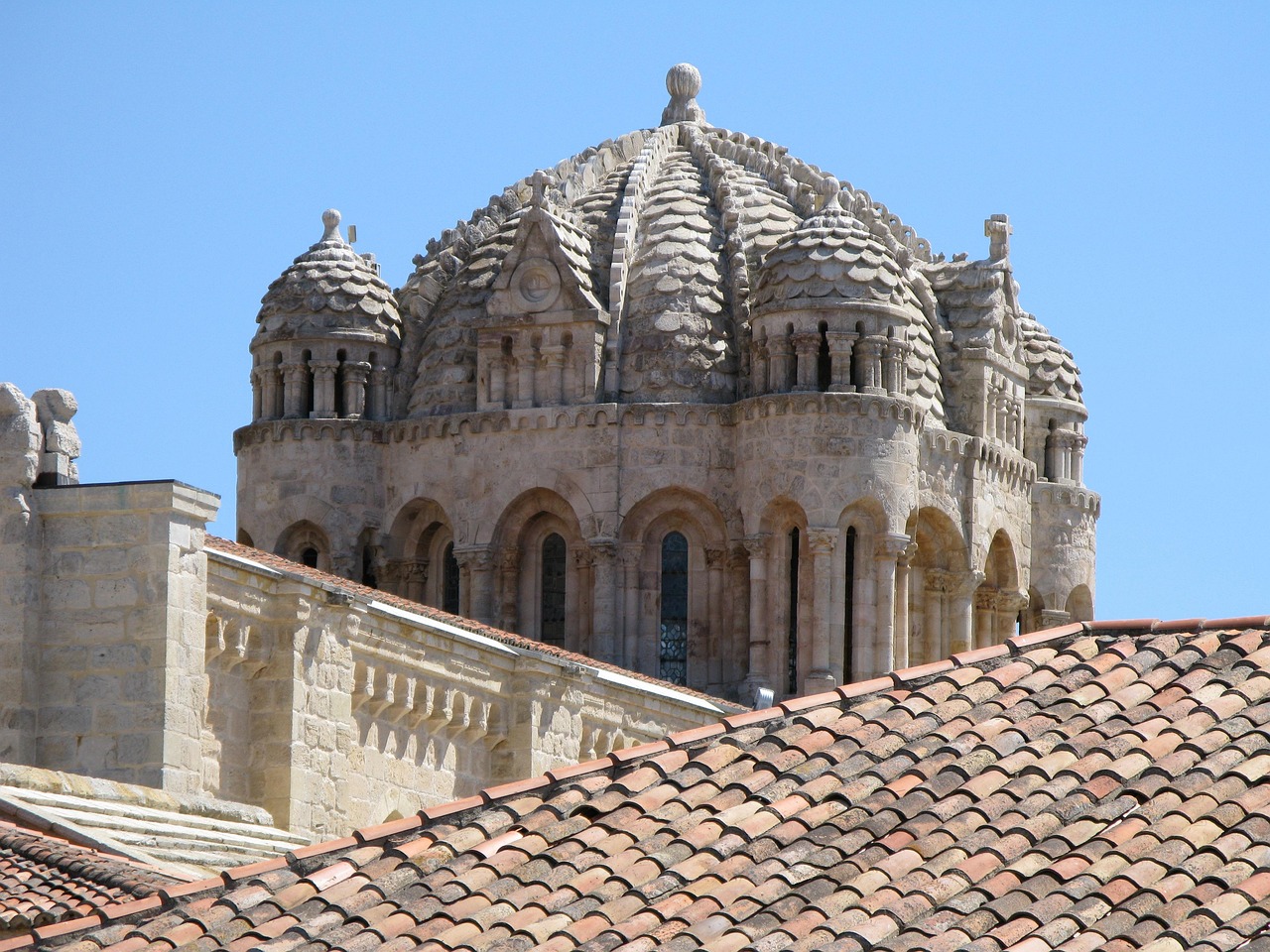
Built in the 12th century, the Cathedral of San Salvador is the architectural emblem of the city. Its *cimborrio* (dome lantern)—a spectacular drum decorated with stone scales—is one of the most singular elements of the Hispanic Romanesque.
- Byzantine-style dome: its design, with oriental influence, makes it unique.
- Cloister and Cathedral Museum: liturgical pieces, sacred art, and Flemish tapestries.
- Viewpoint over the Duero: unforgettable views from the temple entrance.
The Cathedral marks the beginning of an unforgettable tour through medieval Zamora.
➤ More than twenty Romanesque churches: an incomparable heritage
Zamora preserves the largest collection of urban Romanesque churches in Spain. Many of them are perfectly restored and open to the public, allowing visitors to observe their sculptural and architectural richness.
- Church of Santa María Magdalena: portal with floral details and exceptional capitals.
- Church of San Claudio de Olivares: one of the oldest, close to the Duero river.
- Santo Tomé and San Vicente: temples with great historical value.
- Church of Santiago del Burgo: located right in the commercial area, a perfect urban Romanesque example.
- San Juan de Puerta Nueva: protagonist of the Plaza Mayor (Main Square).
Walking among these churches is like touring a history book carved in stone.
➤ Zamora Castle and its viewpoints
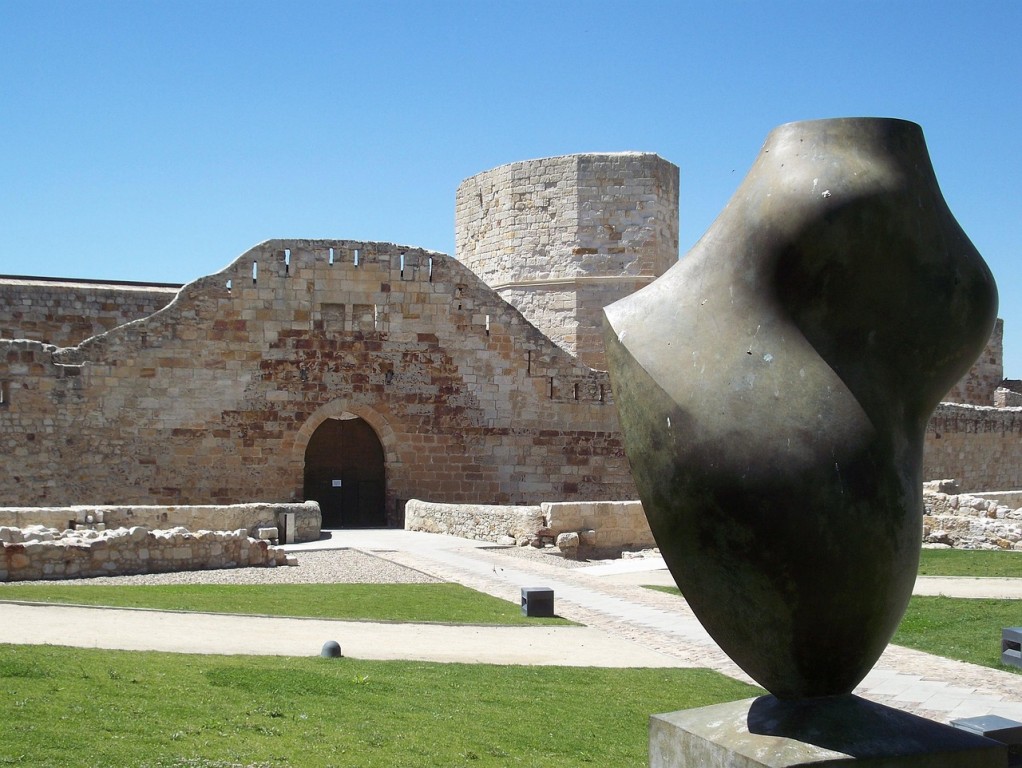
Located next to the Cathedral, Zamora Castle is an 11th-century medieval fortress surrounded by gardens and walkways from which you get some of the best views of the city.
- Tower of Homage (Torre del Homenaje) and defensive remains.
- Viewpoints towards the Duero and the historic centre.
- Exhibition centre that explains the evolution of the city.
A perfect place to understand Zamora's strategic role in the Middle Ages.
➤ Medieval walls and historic gates
Zamora preserves considerable sections of its ancient defensive belt, which protected the city in medieval times.
- Puerta del Obispo (Bishop's Gate): one of the oldest entrances.
- Puerta de Doña Urraca (Doña Urraca's Gate): with a strong legendary burden.
- Portillo de la Traición (Portico of Treason): linked to key episodes in Zamora's history.
The walls are an essential part of the city's medieval and monumental character.
➤ The Duero River: landscape, history, and tradition
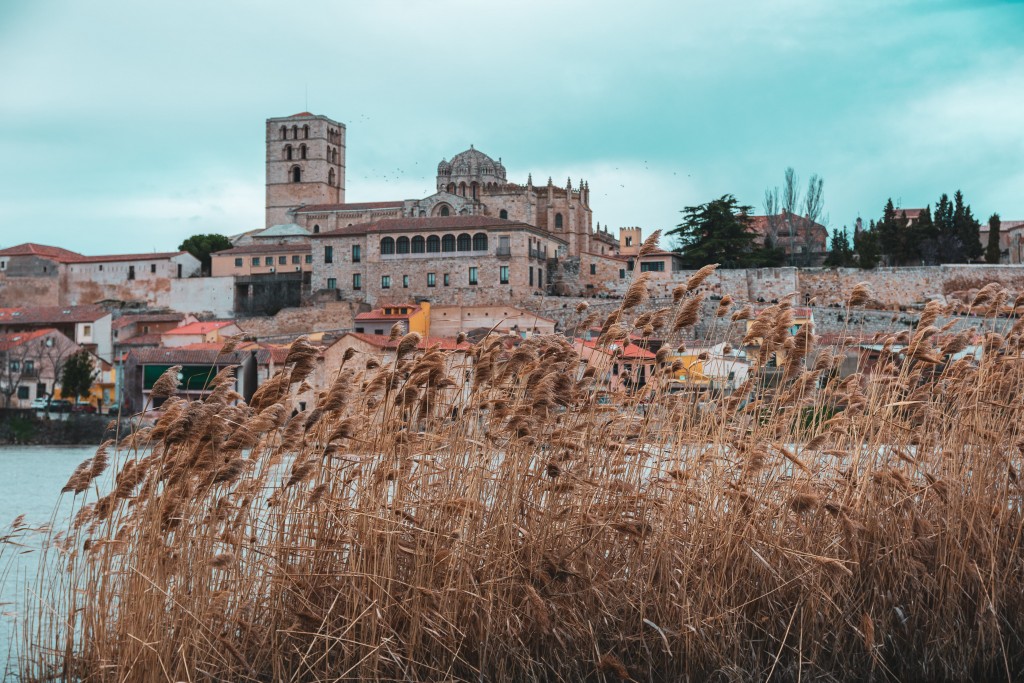
The Duero River borders Zamora, creating one of the most beautiful urban landscapes in the northwest of the Iberian Peninsula. From its viewpoints, you can appreciate the medieval silhouette of the city, with the cathedral and the castle dominating the scene.
- Walk along the river to enjoy nature.
- Stone Bridge (Puente de Piedra), medieval.
- Spectacular photographs at sunrise or sunset.
The Duero adds a natural environment full of serenity to the historical heritage.
➤ An authentic, tranquil city full of history
Zamora stands out for its leisurely atmosphere, its well-preserved old town, and its extraordinary concentration of Romanesque art. Unlike other cities with more tourism, here visitors can enjoy the heritage calmly and without crowds.
It is an essential destination for those who love medieval art, history, urban routes, and quality cultural tourism.