
Travelling through northern Spain by train: from Bilbao to Santiago
Travelling by train through Northern Spain: a route between Bilbao, Santander, Oviedo and Santiago
Northern Spain has become one of the most attractive destinations for travellers seeking peaceful journeys, green landscapes and cities with their own identity. Travelling along the Cantabrian coast by train makes it possible to discover Atlantic bays, historic centres and gastronomic traditions while the scenery changes between mountains, cliffs and fishing ports.
From Bilbao to Santiago de Compostela, this route connects some of the most interesting cities in northern Spain through comfortable journeys combining culture, nature and historical heritage.
In addition, the train offers a more relaxed and sustainable way of travelling, especially in regions where historic centres, seafront promenades and traditional neighbourhoods are best enjoyed on foot.
Why northern Spain is ideal for exploring by train
The Cantabrian rail and road connections make it possible to organise a varied journey through the Basque Country, Cantabria, Asturias and Galicia without needing to drive throughout the trip.
The proximity between cities makes it easy to combine urban visits with gastronomic experiences, coastal landscapes and free time to discover each destination at an individual pace.
A route between sea, mountains and heritage
The main attraction of northern Spain lies in its enormous diversity. In just a few days, it is possible to move from modern seaside cities to historic towns, urban beaches or places linked to the Camino de Santiago.
- Contemporary architecture and Basque tradition in Bilbao.
- Bays and maritime elegance in Santander.
- Cider houses and Asturian heritage in Oviedo.
- Atlantic landscapes in A Coruña.
- Jacobean history and monumental heritage in Santiago.
Bilbao: contemporary art and Basque essence
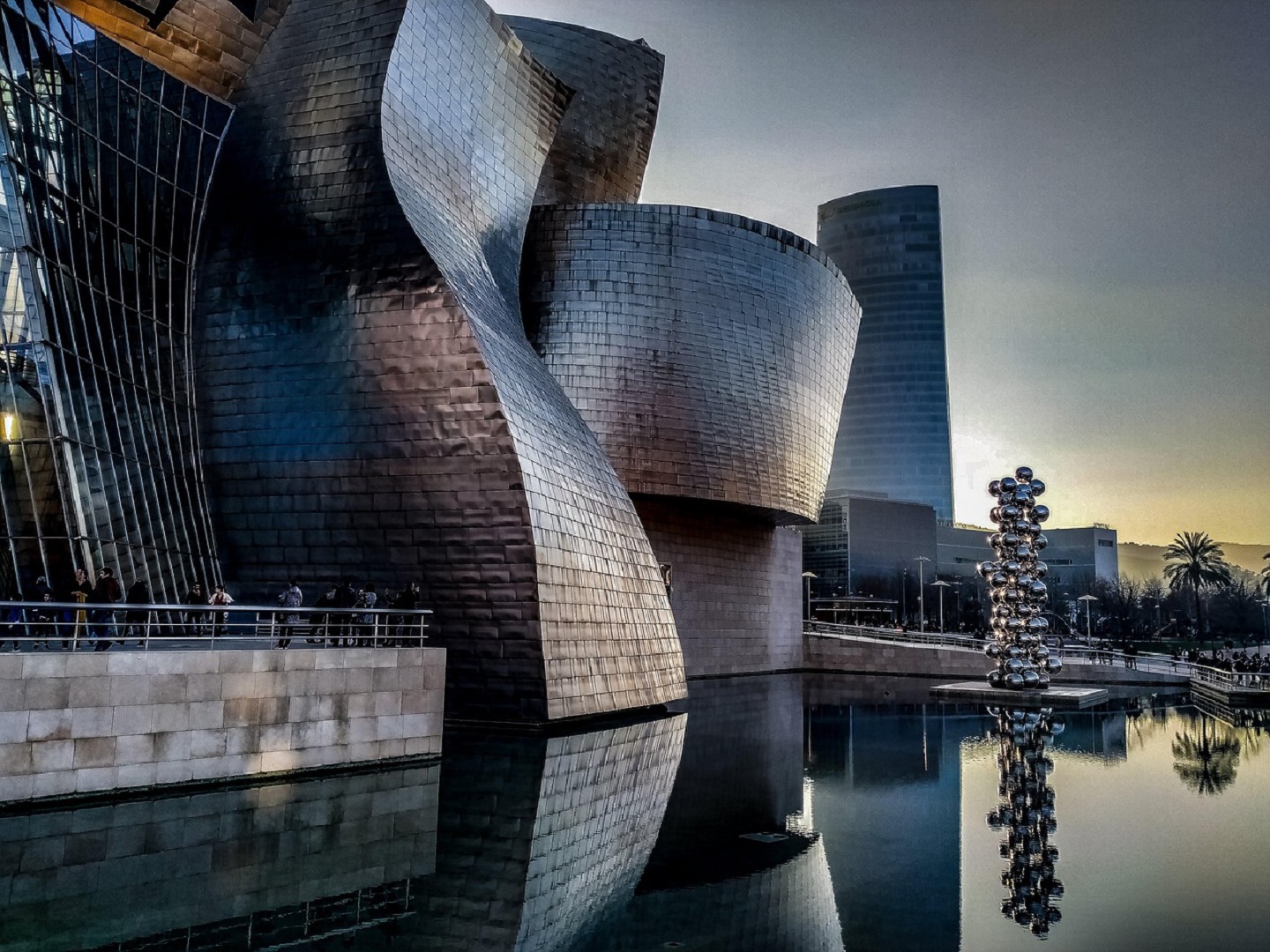
Bilbao represents one of Europe’s great examples of urban transformation. The city has managed to combine industrial tradition, Basque culture and contemporary architecture without losing its identity.
The Guggenheim Museum has become the most recognisable symbol of this renewal, although much of Bilbao’s appeal still lies in its everyday life: markets, taverns and lively streets.
What to do in Bilbao
- Visit the Guggenheim and the Nervión estuary.
- Explore the Seven Streets of the Old Town.
- Take the Artxanda funicular.
- Discover Basque pintxo culture.
- Walk among modern architecture and local tradition.
The city also serves as an excellent starting point for discovering other destinations along the Cantabrian coast.
San Sebastián and the gastronomic culture of the Cantabrian coast
Although many travellers visit it as a day trip from Bilbao, San Sebastián deserves a special mention within any route through northern Spain. La Concha Bay, its elegant seafront promenade and the international reputation of its gastronomy make it one of the most recognised destinations along the Cantabrian coast.
The Old Town and the pintxo bars form part of an experience deeply connected to Basque culture and the relaxed rhythm of northern coastal cities.
Santander: Atlantic light and maritime tradition
Santander combines urban beaches, elegant architecture and a close relationship with the sea. The city maintains a peaceful atmosphere where seafront promenades, historic cafés and contemporary cultural spaces coexist.
The Magdalena Peninsula and the Botín Centre are among the most visited places in the Cantabrian capital.
A city to enjoy without rushing
Santander is one of those destinations inviting visitors to walk slowly along the bay, pause at terraces and admire the Atlantic landscape changing with the light and tides.
It is also an excellent stop for tasting fresh fish and seafood from the Cantabrian Sea.
Oviedo: historic squares, cider and Asturian tradition
Oviedo offers one of the most pleasant urban atmospheres in northern Spain. Its clean and peaceful historic centre preserves pre-Romanesque churches, lively squares and a strong connection with Asturian culture.
Traditional cider houses form an essential part of the experience, together with markets, urban sculptures and pedestrian streets inviting visitors to stroll.
What to see in Oviedo
- San Salvador Cathedral.
- Asturian pre-Romanesque monuments.
- Historic squares and pedestrian streets.
- Traditional cider houses and local gastronomy.
- Urban sculptures spread throughout the city.
A Coruña and the strength of the Galician Atlantic
Arrival in Galicia introduces a more Atlantic landscape open to the ocean. A Coruña stands out for its seafront promenade, glazed galleries and the constant presence of the sea in everyday life.
The Tower of Hercules, a Roman lighthouse and World Heritage Site, symbolises the city’s historic relationship with the Atlantic Ocean.
The maritime atmosphere and Galician gastronomy make this stage one of the most special parts of the journey.
Santiago de Compostela: the historical end of the journey
Santiago represents the perfect conclusion to a railway route through northern Spain. The city preserves one of Europe’s most important historic centres and continues to be the final destination for thousands of pilgrims every year.
Cobbled streets, monumental squares and the Cathedral create a unique atmosphere where spirituality, university life and Galician tradition coexist.
A city linked to the Camino de Santiago
Beyond its religious significance, Santiago stands out for its cultural richness and an identity deeply connected to European history. Markets, historic cafés and small artisan shops complete a particularly authentic urban experience.
Atlantic gastronomy along the journey
One of the great attractions of this route is the gastronomic variety of northern Spain. Each region contributes its own flavours linked to the sea, local produce and deeply rooted culinary traditions.
- Pintxos and Basque cuisine in Bilbao and San Sebastián.
- Fish and seafood from the Cantabrian Sea in Santander.
- Cider and Asturian cuisine in Oviedo.
- Seafood and Galician wines in A Coruña and Santiago.
A peaceful way to discover the Cantabrian coast and Galicia
Travelling by train through northern Spain allows visitors to explore some of the peninsula’s most beautiful landscapes in a comfortable and relaxed way. The connections between cities make it easy to enjoy both the journeys and the urban visits without long transfers.
In addition, the route perfectly combines culture, nature and gastronomy, making it one of the best railway journeys for discovering Atlantic Spain.
Recommended experience for exploring the Green North by train
For travellers wishing to experience this journey in an organised way, the proposal “Green North by train: from Bilbao to Santiago between sea, mountains and tradition” connects some of the most representative cities of the Cantabrian coast and Galicia through rail journeys and guided cultural visits.
The itinerary combines Atlantic landscapes, local gastronomy, historical heritage and free time to explore each city at an individual pace, offering an especially attractive experience for cultural travellers and lovers of northern Spain.