
Travelling through Castile and León by train: historic cities, cathedrals and cultural routes across
Travelling by train through Castile and León: a cultural route between cathedrals, walls and historic cities
Castile and León is one of Spain’s great historical regions and also one of the most interesting destinations to explore by train. Its monumental cities, connected by comfortable and direct rail journeys, make it possible to discover centuries of history among Gothic cathedrals, grand squares, centuries-old universities and medieval fortresses.
Far from the mass tourism of other destinations, this region offers a slower-paced cultural experience shaped by open landscapes, traditional gastronomy and exceptional architectural heritage. Travelling by train also facilitates direct access to historic centres, something especially valuable in cities with such an important monumental legacy.
Rail routes between Madrid, Valladolid, Salamanca, León, Burgos and Zamora are increasingly attracting travellers seeking cultural getaways through inland Spain.
Why Castile and León is ideal for a train journey
Castile and León brings together some of the country’s most important historic cities within relatively accessible rail distances. This makes it possible to organise complete itineraries without needing to drive and with enough time to enjoy each stop.
In addition, many stations are located close to historic centres, making it easier to explore on foot and creating a much more comfortable travel experience.
A journey between World Heritage Sites
One of the greatest attractions of this cultural route is the possibility of linking several UNESCO-recognised sites within the same journey:
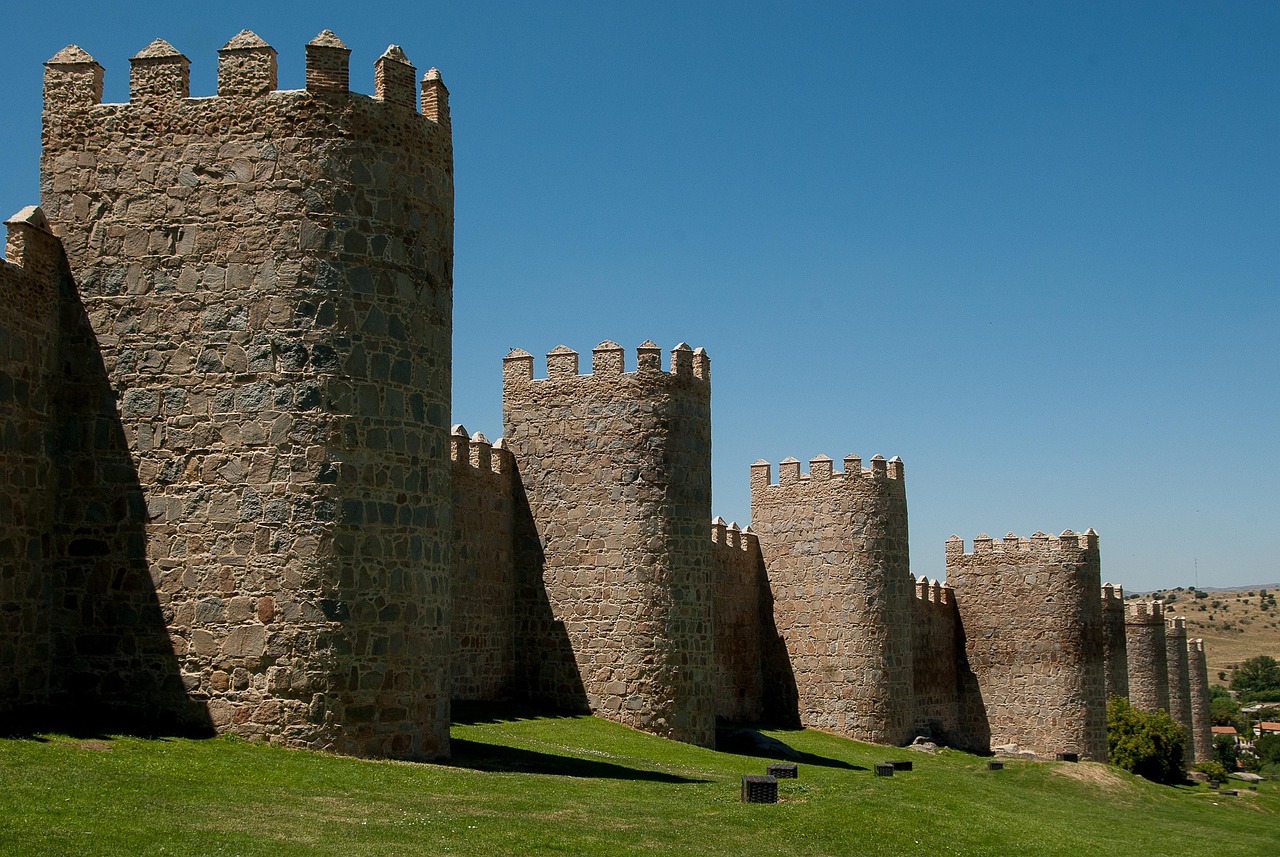
- The medieval walls of Ávila.
- The Roman Aqueduct of Segovia.
- The historic University of Salamanca.
- Burgos Cathedral and its Gothic art.
- The Camino de Santiago as it passes through León.
Each city contributes a different identity, from Salamanca’s university atmosphere to the Castilian sobriety of Zamora or the cultural dynamism of Valladolid.
Ávila and Segovia: two essential getaways from Madrid
The rail connection from Madrid provides easy access to two of the most visited monumental cities in central Spain.
Ávila preserves one of Europe’s best-preserved medieval walls and has maintained much of its historical character intact. Walking along the ramparts or through its cobbled streets makes it possible to understand the city’s defensive and religious importance over the centuries.
Segovia, meanwhile, stands out for the spectacular preservation of its Roman Aqueduct and for the unmistakable silhouette of the Alcázar, one of the most recognisable fortresses in Spanish heritage.
What to see in Segovia and Ávila
- The walls of Ávila and the Basilica of San Vicente.
- The Roman Aqueduct of Segovia.
- The Alcázar and views over the Eresma valley.
- Historic squares and Castilian convents.
- Traditional Castilian restaurants.
Valladolid: art, literature and Castilian tradition
Valladolid has become one of the most interesting cultural cities in inland Spain. Former capital of the Spanish monarchy, it combines Renaissance heritage, university life and a renowned gastronomic scene.
Plaza Mayor, the historic churches and the National Sculpture Museum form part of an urban route where traces of figures such as Cervantes and Christopher Columbus also appear.
In addition, the city serves as an excellent railway base for excursions to Burgos, Salamanca and León.
Salamanca: golden stone and university atmosphere
Few Spanish cities offer such a recognisable atmosphere as Salamanca. Villamayor stone, which takes on golden tones at sunset, surrounds a historic centre where students, visitors and centuries of academic tradition coexist.
The University of Salamanca, the two Cathedrals and Plaza Mayor make the city one of Spain’s great references for cultural tourism.
A city to explore without rushing
Beyond its monuments, Salamanca stands out for its everyday atmosphere: historic cafés, bookshops, terraces and lively streets throughout the year.
It is also a particularly attractive destination for gastronomic getaways linked to Iberian products, hornazos and regional wines.
León and Burgos: the great Gothic legacy of northern Castile
The railway journey through Castile and León makes it possible to discover two of Spain’s most impressive Gothic cathedrals.
In Burgos, the Cathedral dominates the urban landscape alongside the Arch of Santa María and Paseo del Espolón. The city maintains a strong connection with medieval history and the figure of El Cid.
León, linked to the Camino de Santiago, stands out for the stained-glass windows of its Cathedral and lively districts such as the Húmedo, one of the great references of Castilian tapas culture.
Zamora: Romanesque art, the Duero and tradition
Zamora is one of the most authentic cities in Castile and León and also one of the great unknowns for many international travellers. Its collection of Romanesque churches, the Cathedral and the views over the Duero River offer a serene and monumental image.
The historic centre maintains a peaceful rhythm that invites visitors to wander slowly among squares, walls and small traditional taverns.
The quietest essence of Castile
Compared with more crowded destinations, Zamora preserves a more local and relaxed dimension. It is an excellent stop for travellers seeking historic architecture, Castilian gastronomy and a less tourist-oriented cultural experience.
Castilian gastronomy as part of the journey
Traditional cuisine plays a fundamental role in any route through Castile and León. Roasts, Iberian cured meats, cheeses, legumes and wines from historic denominations accompany every stage of the journey.
Among the most highly valued gastronomic experiences are:
- Roast milk-fed lamb in Valladolid and Burgos.
- Iberian ham and cured meats from Salamanca.
- Traditional tapas in León.
- Ribera del Duero and Toro wines.
- Castilian markets and taverns serving local cuisine.
A different way to discover the historical heart of Spain
Travelling by train through Castile and León makes it possible to explore some of the most important cities in Spanish history in a comfortable, sustainable and culturally enriching way.
The relaxed rhythm of the journeys, the ease of travelling between monumental cities and the richness of the heritage make this experience one of the best ways to discover inland Spain.
Recommended experience for exploring Castile and León by train
For travellers wishing to explore this region through an already organised itinerary, the proposal “Castile and León by train: history, art and tradition in the heart of Spain” connects cities such as Valladolid, Salamanca, Burgos, León and Zamora through comfortable rail journeys and guided cultural visits.
The route combines historical heritage, Castilian gastronomy and free time to discover squares, cathedrals and historic districts at an individual pace, becoming an especially attractive alternative for cultural travellers and lovers of Spanish history.