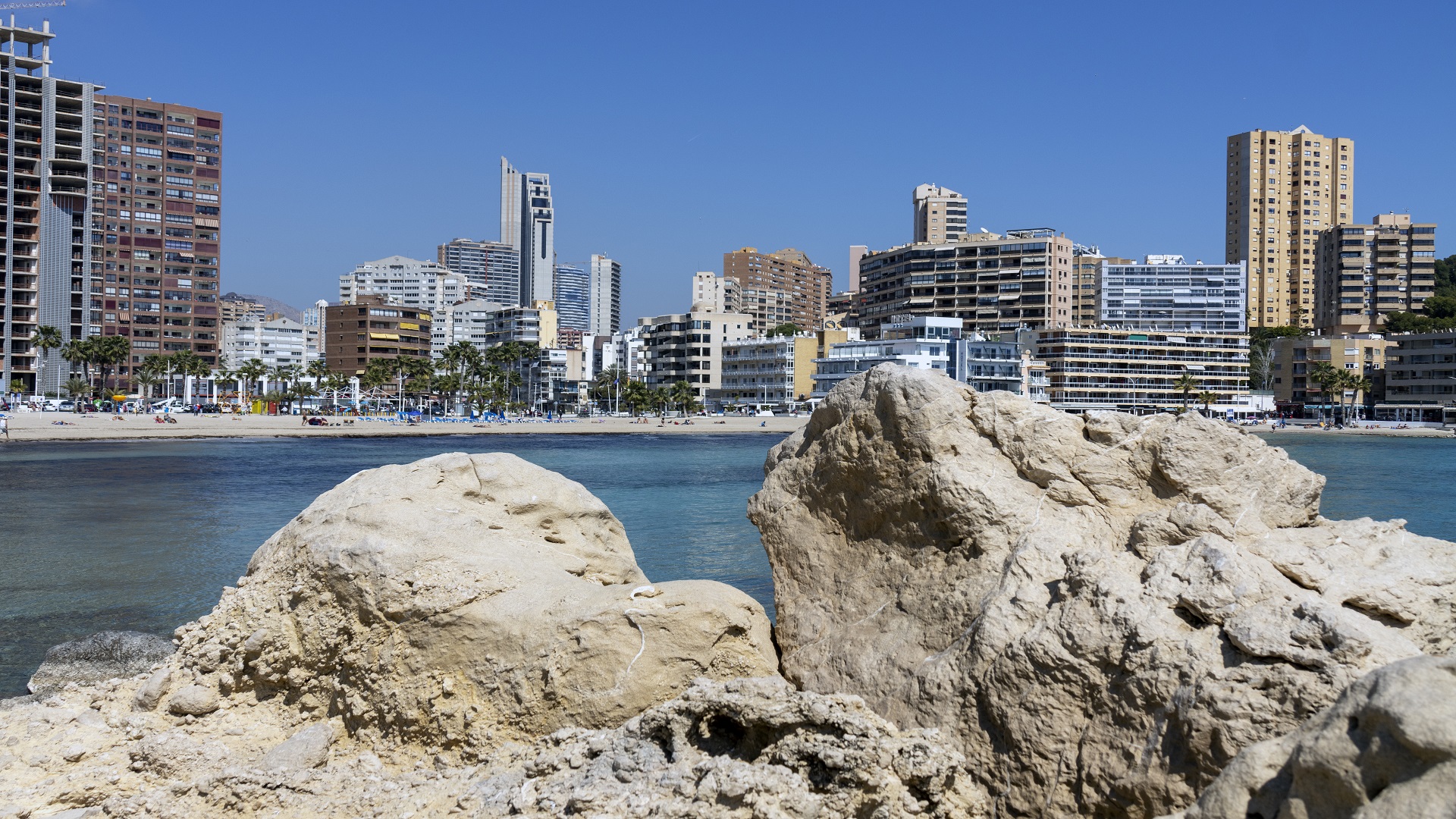

Travelling by train along Spain’s Mediterranean coast: Alicante, Valencia and Barcelona
Travelling by train through the Spanish Mediterranean: a route between Alicante, Valencia and Barcelona
The Spanish Mediterranean coastline brings together some of the most attractive cities to explore by train. Alicante, Valencia and Barcelona form a comfortable and sunlit route where the sea, gastronomy and urban life combine with fast and well-connected rail journeys.
Unlike other trips focused solely on beaches or monuments, this experience allows travellers to discover different Mediterranean lifestyles within the same journey: from the relaxed atmosphere of Alicante to the contemporary architecture of Valencia and the cosmopolitan dynamism of Barcelona.
In addition, travelling by train along the Levantine coast makes it possible to enjoy maritime landscapes without worrying about roads, traffic or parking, something increasingly valued by travellers seeking a more relaxed way of exploring Spain.
Why the Spanish Levante is perfect for exploring by train
The Mediterranean railway network connects some of the country’s most visited cities through fast and frequent journeys. This makes it easy to organise a cultural and coastal route without needing to hire a car.
Central stations and the proximity between beaches, historic neighbourhoods and shopping areas allow travellers to make better use of their time in each destination.
A route combining city, coastline and culture
One of the great attractions of this experience is the variety of atmospheres appearing throughout the journey:
- Seafront promenades and urban beaches in Alicante.
- Contemporary architecture and gastronomic tradition in Valencia.
- Modernisme, museums and cosmopolitan life in Barcelona.
- Comfortable rail journeys alongside the Mediterranean.
All accompanied by one of the country’s most renowned cuisines and a particularly pleasant climate throughout much of the year.
Alicante: Mediterranean light and life by the sea
Alicante has become one of the most highly valued cities for Mediterranean urban getaways. Its combination of beaches, seafront promenade and historic centre allows visitors to enjoy both coastal life and local heritage.
The Explanada de España, with its undulating mosaics and palm trees facing the port, represents one of the city’s most recognisable images.
What to do in Alicante during a Levante route
- Climb to Santa Bárbara Castle to admire the bay.
- Walk along the Explanada and the marina.
- Discover the Santa Cruz district and its whitewashed streets.
- Enjoy rice dishes and seafood gastronomy.
- Take an excursion to Tabarca Island.
The relaxed pace of Alicante makes the city an excellent starting point for a Mediterranean railway route.
Valencia: tradition, innovation and Mediterranean culture
Valencia offers one of Spain’s most interesting urban contrasts. The city combines historic squares, traditional markets and neighbourhoods with centuries of history alongside avant-garde spaces such as the City of Arts and Sciences.
The former Turia riverbed, transformed into a vast green corridor, makes it possible to explore much of the city on foot or by bicycle through gardens and cultural areas.
The city where paella was born
Gastronomy is one of Valencia’s great attractions. Beyond paella, Valencian cuisine maintains a strong connection with local produce and Mediterranean tradition.
Markets such as the Central Market, terraces by the sea and restaurants specialising in rice dishes form an essential part of any visit.
Barcelona: Modernisme and cosmopolitan energy
Barcelona represents the most urban and creative stage of the Mediterranean route. The city stands out for its Modernisme architecture, historic neighbourhoods and a cultural scene combining tradition and contemporaneity.
The legacy of Antoni Gaudí shapes much of the urban landscape, especially in places such as the Sagrada Família and Park Güell.
What to visit in Barcelona
- The Sagrada Família and Gaudí’s great works.
- Passeig de Gràcia and Modernisme architecture.
- The Gothic Quarter and Las Ramblas.
- Museums, galleries and cultural spaces.
- Urban beaches and terraces facing the Mediterranean.
The city also stands out for its wide gastronomic offer and an active cultural life throughout the year.
The Spanish Mediterranean from a slower perspective
Travelling by train along the Mediterranean coast makes it possible to discover another way of exploring Spain: more relaxed, comfortable and connected to the landscape.
The rail journeys between Alicante, Valencia and Barcelona allow travellers to enjoy the trip without long waits or complicated transfers, making it possible to spend more time strolling, tasting local gastronomy and discovering historic neighbourhoods by the sea.
Mediterranean gastronomy along the journey
Mediterranean cuisine accompanies every stage of this railway route. From Alicante rice dishes to urban tapas, seafood and contemporary Catalan cuisine, the journey also becomes a gastronomic experience.
Highlights of the route’s flavours
- Rice dishes and Mediterranean fish in Alicante.
- Valencian paella and local market garden produce.
- Creative tapas and Catalan cuisine in Barcelona.
- Gastronomic markets and terraces facing the sea.
- Wines and local products from the Mediterranean coast.
Recommended experience for exploring the Spanish Levante by train
For travellers wishing to discover this route in an organised way, the proposal “Explore the Spanish Levante by train: Mediterranean light, history and flavour between Madrid, Alicante, Valencia and Barcelona” makes it possible to travel through some of the most attractive cities on the Spanish coast through comfortable rail journeys and guided visits.
The itinerary combines urban heritage, Mediterranean beaches, gastronomy and free time to explore each city at an individual pace, offering an especially appealing experience for cultural travellers and lovers of the Mediterranean.