
The gastronomy of Spain’s Levante region: rice, the Mediterranean and seaside tradition
The gastronomy of the Spanish Levante: rice, the Mediterranean and tradition by the sea
The Levantine coast is one of Spain’s great gastronomic destinations. From the Valencian Community to Murcia, the cuisine of the Levante combines Mediterranean tradition, fresh produce and a strong connection with the sea.
Beaches, fertile plains, fish markets and traditional markets form part of a gastronomy where rice, fish and vegetables play a leading role. Every city and village contributes its own recipes that reflect centuries of Mediterranean history and culture.
In addition, the mild climate and life by the sea turn every meal into a relaxed, bright and deeply Mediterranean experience.
➤ Rice culture: the great gastronomic symbol of the Levante
Levantine gastronomy cannot be understood without rice. The Valencian Community is the birthplace of some of the best-known recipes in Spanish cuisine.
- Traditional Valencian paella.
- Arroz a banda in coastal areas.
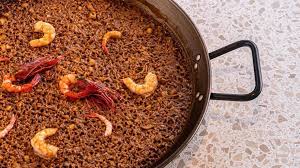
- Black rice with cuttlefish and seafood.
- Caldero from the Mar Menor in Murcia.
- Creamy and seafood rice dishes typical of the Mediterranean.
Many restaurants continue to use local produce and traditional techniques passed down from generation to generation.
➤ Mediterranean markets and fresh produce
The Levante stands out for the quality of its fresh produce. Traditional markets remain essential spaces within local gastronomy.
Fresh fish straight from the fish markets, produce from the fertile plains, citrus fruits, Mediterranean vegetables and seafood form the basis of a simple yet flavourful cuisine.
Markets such as Valencia’s Central Market and the traditional markets of Alicante and Murcia reflect the importance of produce in Levantine gastronomic culture.
➤ Seafood cuisine: authentic Mediterranean flavour
The Levante’s relationship with the sea defines many of its most popular recipes. The Mediterranean provides fresh fish and seafood that take centre stage in many traditional dishes.
- Red prawns from the Mediterranean.
- Suquet and seafood stews.
- Traditional cured fish products from the Levantine coast.
- Cuttlefish, squid and fresh fish from the fish market.
- Seafood tapas along seafront promenades and fishing ports.
Coastal restaurants and beach bars preserve a Mediterranean cuisine based on fresh produce and simple preparations.
➤ Tapas, tradition and urban gastronomy
The cities of the Levante have developed a dynamic gastronomic scene where traditional bars coexist with contemporary culinary proposals.
Valencia, Alicante and Murcia offer neighbourhoods full of terraces, gastronomic markets and restaurants where Mediterranean cuisine is constantly evolving.
Levantine tapas combine classic recipes, preserves, cured meats, seafood and produce from the fertile plains within a relaxed and social atmosphere.
➤ Mediterranean sweets and artisanal tradition
The confectionery of the Levante also forms an essential part of its gastronomic identity. Arab influence remains very present in many traditional sweets made with almonds, honey and citrus fruits.
- Turrón from Jijona and Alicante.
- Traditional Murcian pastries.
- Horchata with fartons in Valencia.
- Convent sweets and artisanal pastries.
Many pastry shops and bakeries continue to preserve historical recipes linked to local celebrations and traditions.
➤ Levante: Mediterranean gastronomy between sea, fertile plains and tradition
Discovering the gastronomy of the Levante means travelling through Mediterranean beaches, lively markets, fishing villages and cities where cuisine forms part of local identity.
The combination of rice dishes, fish, fresh produce and tradition makes the Spanish Levante one of the Mediterranean’s great gastronomic references.
The Levante offers a culinary experience based on the simplicity of produce, Mediterranean culture and a cuisine enjoyed at the rhythm of the sea.