
The gastronomy of Andalusia: tradition, flavour and a cuisine that defines southern Spain
The gastronomy of Andalusia: tradition, flavour and a cuisine that defines southern Spain
Andalusia is one of Spain’s great gastronomic destinations. Its cuisine reflects centuries of history, Mediterranean and Arab influences, maritime traditions and an enormous diversity of produce that changes from one province to another.
From the taverns of Seville to the beach bars of the Costa del Sol, passing through the markets of Cádiz and the wineries of Jerez, Andalusian gastronomy combines popular recipes, local culture and a way of life centred around the table.
In addition, the climate, street life and sociable character of Andalusia turn every meal into a relaxed and lively experience.
➤ Andalusian tapas: a tradition experienced in every city
Talking about Andalusian gastronomy means talking about tapas. Each province has its own specialities and its own way of enjoying tapas culture.
- Seville: historic taverns and traditional tapas.
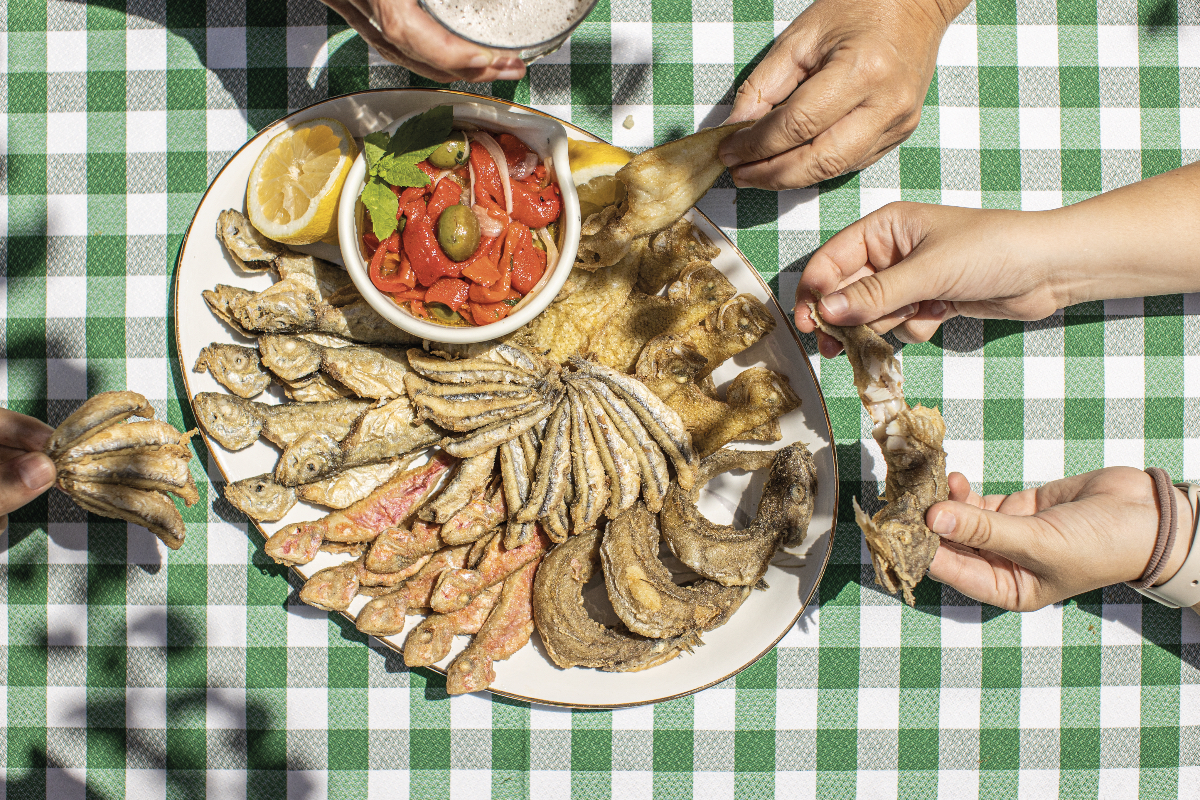
- Málaga: espetos, fried fish and Mediterranean cuisine.
- Granada: the tradition of free tapas served with drinks.
- Cádiz: fresh seafood and maritime recipes.
- Córdoba: a blend of traditional cuisine and charming patios.
Andalusian tapas range from simple dishes to modern creations that reinterpret regional cuisine.
➤ Olive oil and local produce as the stars of the cuisine
Andalusia is one of the world’s largest olive oil producers, especially in provinces such as Jaén and Córdoba. Extra virgin olive oil forms an essential part of Andalusian gastronomic identity.
The quality of local produce also stands out in fruits, vegetables, fish, Iberian meats and artisanal cheeses.
Many traditional markets and restaurants focus on local ingredients and recipes closely linked to the land.
➤ Flavours of the sea: fried fish, seafood and Atlantic cuisine
Andalusia’s relationship with the sea defines much of its gastronomy. Both the Atlantic coast and the Mediterranean provide fresh produce and recipes deeply rooted in local tradition.
- Fried fish, one of Andalusia’s great culinary classics.
- Sardine espetos on the beaches of Málaga.
- Bluefin tuna from almadraba fishing in Cádiz.
- White prawns and seafood from the Andalusian coast.
- Seafood rice dishes and traditional stews.
Beach bars and coastal restaurants continue to preserve many of these recipes passed down through generations.
➤ Iberian ham, wines and inland gastronomy
Inland Andalusia also possesses enormous culinary richness. The Sierra de Huelva is internationally known for its Iberian ham, while cities such as Córdoba and Granada preserve traditional recipes with strong local identity.
In addition, Andalusia is home to some of Spain’s most renowned wine regions.
- Jerez de la Frontera and its unique wines.
- Montilla-Moriles in Córdoba.
- Traditional wineries and Andalusian wine culture.
Inland gastronomy combines hearty dishes, seasonal cuisine and a strong connection to rural roots.
➤ Markets, taverns and social life around food
In Andalusia, gastronomy is closely linked to everyday life. Eating out forms part of local culture, and squares, terraces and bars always play a central role.
Gastronomic markets and traditional taverns continue to be meeting places where locals and visitors share tapas, wines and long conversations.
Andalusian cuisine is enjoyed at a relaxed pace, in an atmosphere where hospitality and social connection form an essential part of the experience.
➤ Andalusia: a gastronomic experience that goes beyond the table
Discovering Andalusia through its gastronomy means travelling across Atlantic coastlines, white villages, historic cities and lively markets.
Andalusian cuisine combines tradition, local produce and regional diversity in a region where every province contributes unique flavours and recipes with their own identity.
Andalusia has become one of Spain’s great gastronomic destinations thanks to its ability to unite history, culture and cuisine in an authentic and flavour-filled experience.