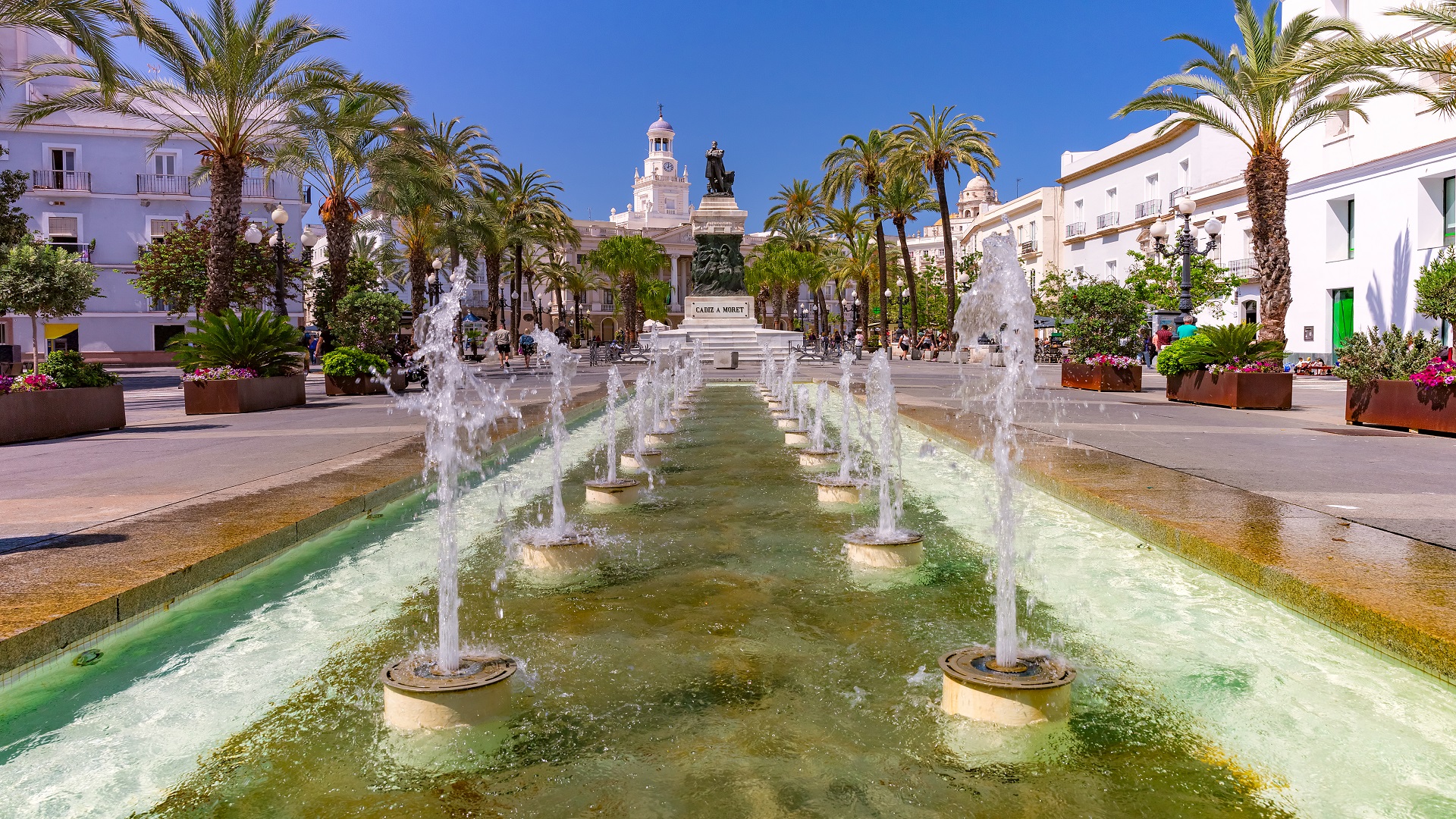

The best time to travel to Andalusia according to the weather and experiences
The best time to travel to Andalusia: weather, festivals and plans for every type of trip
Andalusia is one of the most visited destinations in Spain for one simple reason: every season offers a different way to discover the south of the Iberian Peninsula. From the beaches of the Costa del Sol to the monumental inland cities, the mild climate and cultural variety make it possible to travel there practically all year round.
However, choosing the best time to travel to Andalusia depends greatly on the type of experience you are looking for. A cultural city break in Seville and Granada is very different from a beach holiday in Cádiz or a route through the white villages of Málaga and the Sierra de Grazalema.
Spring: the favourite season for discovering Andalusia
For many travellers, spring is the ideal time to explore Andalusia. Between March and May, temperatures are pleasant, the landscapes are greener, and the cities host some of their most important festivals.
During these weeks, it is possible to stroll through historic cities without the intense summer heat and enjoy terraces, patios and urban routes more comfortably.
Holy Week and the April Fair
Spring in Andalusia also coincides with two of the major tourist and cultural events in southern Spain:
- Holy Week celebrations in Seville and Málaga.
- The Seville April Fair.
- The May Crosses festivals in Córdoba and Granada.
- Córdoba’s flower-filled patios.
However, travelling during these dates requires booking accommodation and transport in advance, as tourist demand increases considerably.
Summer in Andalusia: beaches, coastlines and nightlife
Between June and September, Andalusia becomes one of Europe’s leading sun-and-sea destinations. The coasts of Málaga, Cádiz, Almería and Huelva attract a large share of both domestic and international tourism.
It is the perfect time for those looking for:
- Mediterranean beaches and coves.
- Family holidays by the sea.
- Beach bars and coastal gastronomy.
- Nightlife and summer festivals.
- Water activities and water sports.
However, in inland cities such as Córdoba, Seville or Jaén, temperatures can easily exceed 40 degrees during July and August. For this reason, many travellers prefer to combine the coast and inland areas to balance their trip.
The best coastal areas in summer
Each Andalusian coastline offers a different character:
- The Costa del Sol stands out for its hotel offer and international atmosphere.
- The Costa de la Luz attracts visitors with its wide beaches and fishing villages.
- Cabo de Gata offers a more natural and peaceful landscape.
- The Granada coastline combines beaches with cultural getaways.
Autumn: fewer tourists and mild temperatures
Autumn has become one of the favourite seasons for travellers who want to discover Andalusia at a more relaxed pace. Between September and November, the heat subsides, cities regain a calmer rhythm, and it is still possible to enjoy sunny days.
In addition, many areas maintain pleasant temperatures well into October, especially along the Mediterranean coast.
A great season for cultural and gastronomic routes
During autumn, the following experiences stand out in particular:
- Routes through white villages.
- Gastronomic getaways.
- Rural tourism in the Andalusian mountain ranges.
- Cultural visits to Seville, Córdoba and Granada.
- Wine and olive oil routes.
There are also usually better hotel prices and fewer crowds at monuments and historic centres.
Winter in Andalusia: gentle sunshine and city tourism
While much of Europe experiences very low temperatures, Andalusia enjoys a relatively mild winter, especially in coastal provinces such as Málaga and Cádiz.
For this reason, between December and February many travellers choose southern Spain for city breaks, cultural trips or long stays.
What to do in Andalusia in winter
- Visit the Alhambra and major monuments with shorter queues.
- Discover historic cities with more comfortable temperatures.
- Enjoy seasonal Andalusian gastronomy.
- Combine snow and beach in the same trip thanks to Sierra Nevada.
In addition, winter is an excellent season for travelling around Andalusia by car or train, linking monumental cities and historic villages without the summer crowds.
The best time to travel to Andalusia depending on the type of trip
For cultural tourism
Spring and autumn are usually the best seasons to visit cities such as Seville, Córdoba or Granada thanks to the mild temperatures and lively urban atmosphere.
For beaches and family holidays
Summer remains the peak season for enjoying the Andalusian coastline and seaside atmosphere.
For gastronomic routes and white villages
Autumn offers pleasant temperatures, less tourism and ideal landscapes for exploring inland Andalusia.
For peaceful getaways and budget-friendly travel
Winter makes it possible to find better prices and discover Andalusia at a calmer pace.
Andalusia, a year-round destination
Few European regions offer such tourism diversity throughout all four seasons. Andalusia combines historical heritage, coastline, nature, gastronomy and popular traditions capable of completely transforming the travel experience depending on the time of year.
Precisely because of this variety, many travellers choose organised tours or themed circuits that allow them to discover different Andalusian provinces in a single trip, combining monumental cities, historic villages and Mediterranean landscapes in a more comfortable and complete way.