
The best gastronomy in northern Spain: tradition, the sea and a cuisine with its own identity
The best gastronomy of northern Spain
Northern Spain: one of Europe’s great gastronomic destinations
Northern Spain has become an international gastronomic reference thanks to the quality of its produce, the strength of its culinary traditions and a cuisine deeply connected to the sea and the Atlantic landscape.
From Galicia to the Basque Country, passing through Asturias, Cantabria and northern Castile and León, each region contributes unique recipes, flavours and experiences that form part of one of Europe’s most recognised gastronomic cultures.
The combination of fishing ports, traditional markets, historic restaurants and contemporary cuisine makes northern Spain an essential destination for travellers seeking outstanding gastronomy.
➤ Galicia and the flavour of the Atlantic
Galicia stands out for a cuisine based on fresh produce and maritime tradition. Its rías provide some of Europe’s finest seafood and a gastronomy recognised for its authenticity.
- Pulpo á feira, one of the most emblematic dishes of Galician cuisine.
- Goose barnacles, spider crab and mussels, major stars of the Galician Atlantic.
- Galician empanada, a traditional recipe found throughout the region.
- Albariño, one of Spain’s most renowned white wines.
Cities such as Vigo, A Coruña and Santiago de Compostela are gastronomic references where tradition and local produce continue to hold enormous importance.
➤ The Basque Country: pintxos and world-renowned fine dining
Basque gastronomy is one of the most prestigious in the world. San Sebastián and Bilbao have placed the Basque Country on the international map thanks to their blend of tradition, creativity and culinary excellence.
- Pintxos, small creations representing the essence of Basque cuisine.
- Txuleta, one of the most recognised dishes in traditional cider houses.
- Kokotxas and cod, historic recipes of Basque cuisine.
- Michelin-starred restaurants, benchmarks of gastronomic innovation.
San Sebastián’s Old Town is considered one of Europe’s great gastronomic temples.
➤ Asturias and the tradition of cider houses
Asturias preserves a gastronomy deeply connected to the mountains, the Cantabrian Sea and rural traditions.
- Fabada asturiana, one of the best-known dishes of northern Spain.
- Natural cider, an essential part of Asturian culture.
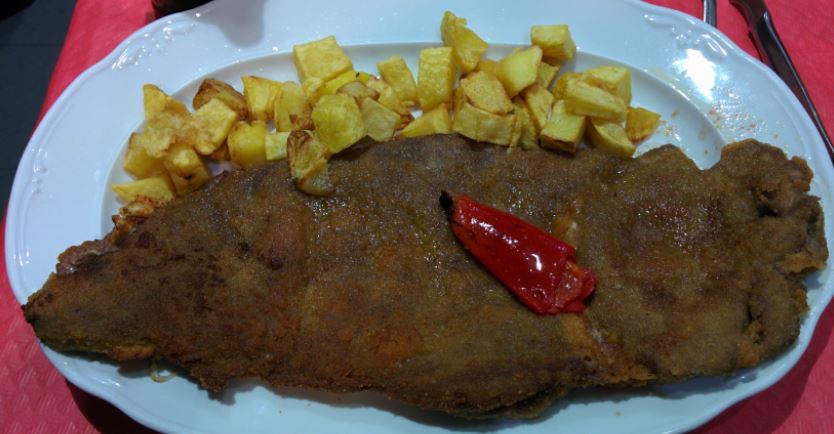
- Cachopo, increasingly popular within Spanish gastronomy.
- Artisanal cheeses, such as Cabrales, internationally recognised.
Traditional cider houses form part of Asturian cultural and gastronomic identity.
➤ Cantabria and Cantabrian cuisine
Cantabrian gastronomy combines seafood recipes with livestock traditions and high-quality local produce.
- Fried squid rings, one of Cantabria’s most typical appetisers.
- Santoña anchovies, internationally recognised.
- Cocido montañés, a traditional dish of Cantabrian cuisine.
- Sobaos and quesadas, some of the north’s most popular sweets.
Santander and the Cantabrian coastal towns offer a perfect combination of gastronomy, sea and tradition.
➤ Markets, local produce and culinary tradition
One of the keys to the gastronomy of northern Spain is the importance of fresh, locally sourced produce.
Traditional markets, fish markets and small producers continue to form an essential part of the gastronomic culture of these regions.
Cantabrian fish, mountain meats, artisanal cheeses, local vegetables and Atlantic wines form the basis of a cuisine recognised for its quality and authenticity.
➤ Northern Spain: gastronomy, landscape and culture
Eating in northern Spain also means discovering fishing ports, exploring historic cities, visiting traditional cider houses or enjoying a meal facing the Atlantic.
Gastronomy forms part of the cultural identity of these regions and reflects the connection between territory, tradition and way of life.
Northern Spain has established itself as one of Europe’s great gastronomic destinations thanks to the quality of its produce, the strength of its culinary traditions and a cuisine that has preserved its Atlantic and Cantabrian essence intact.