
Road trip through Spain’s green north: sea, mountains and historic cities
Travelling through Spain’s green north by car: a route between sea, mountains and cities with their own identity
Northern Spain has established itself as one of the great destinations for travellers looking for road trips with varied landscapes, renowned gastronomy and cities full of character. Between the Cantabrian coast and the inland mountains, road routes make it possible to combine urban culture, historic villages, natural parks and some of the country’s best gastronomic experiences.
From the vineyards of La Rioja to the beaches of San Sebastián and Santander, passing through the contemporary art of Bilbao, the nature of the Picos de Europa and the historical heritage of Oviedo and León, the journey through the so-called “green north” combines comfortable stages with enormous landscape diversity.
Why northern Spain is perfect for a road trip
Travelling by car through northern Spain allows visitors to discover very different territories along relatively short routes. In just a few days, the scenery changes from the Castilian plains to the Cantabrian mountains, Atlantic cliffs and forest-covered valleys.
In addition, many of the cities on the route have historic centres that are easy to explore on foot, excellent road connections and a wide cultural and gastronomic offer. The flexibility of travelling by car makes it easy to stop at viewpoints, small villages, wineries or natural routes that are not always part of more conventional itineraries.
Essential cities on a route through the green north
Burgos and the gateway to the historic north
Burgos marks the perfect starting point for a cultural route through the north. Its Gothic Cathedral, linked to the Camino de Santiago, is one of Spain’s great medieval monuments. Paseo del Espolón and the surroundings of the Arlanzón River allow visitors to enjoy an elegant and peaceful city.
In addition to its historical heritage, Burgos maintains an important gastronomic tradition linked to roast lamb, morcilla and Castilian cuisine.
La Rioja and wine tourism
The vineyard landscapes of La Rioja offer one of the most relaxed stages of the route. Historic wineries and contemporary architectural projects coexist among hills and small villages linked to wine culture.
Logroño, especially Laurel Street, has become one of Spain’s great references for tapas culture, ideal for discovering Riojan gastronomy through small bars and local produce.
Bilbao and the cultural transformation of the Cantabrian coast
Bilbao represents one of Europe’s great urban transformations of recent decades. The Guggenheim Museum changed the image of the city and turned it into an international benchmark for architecture and contemporary art.
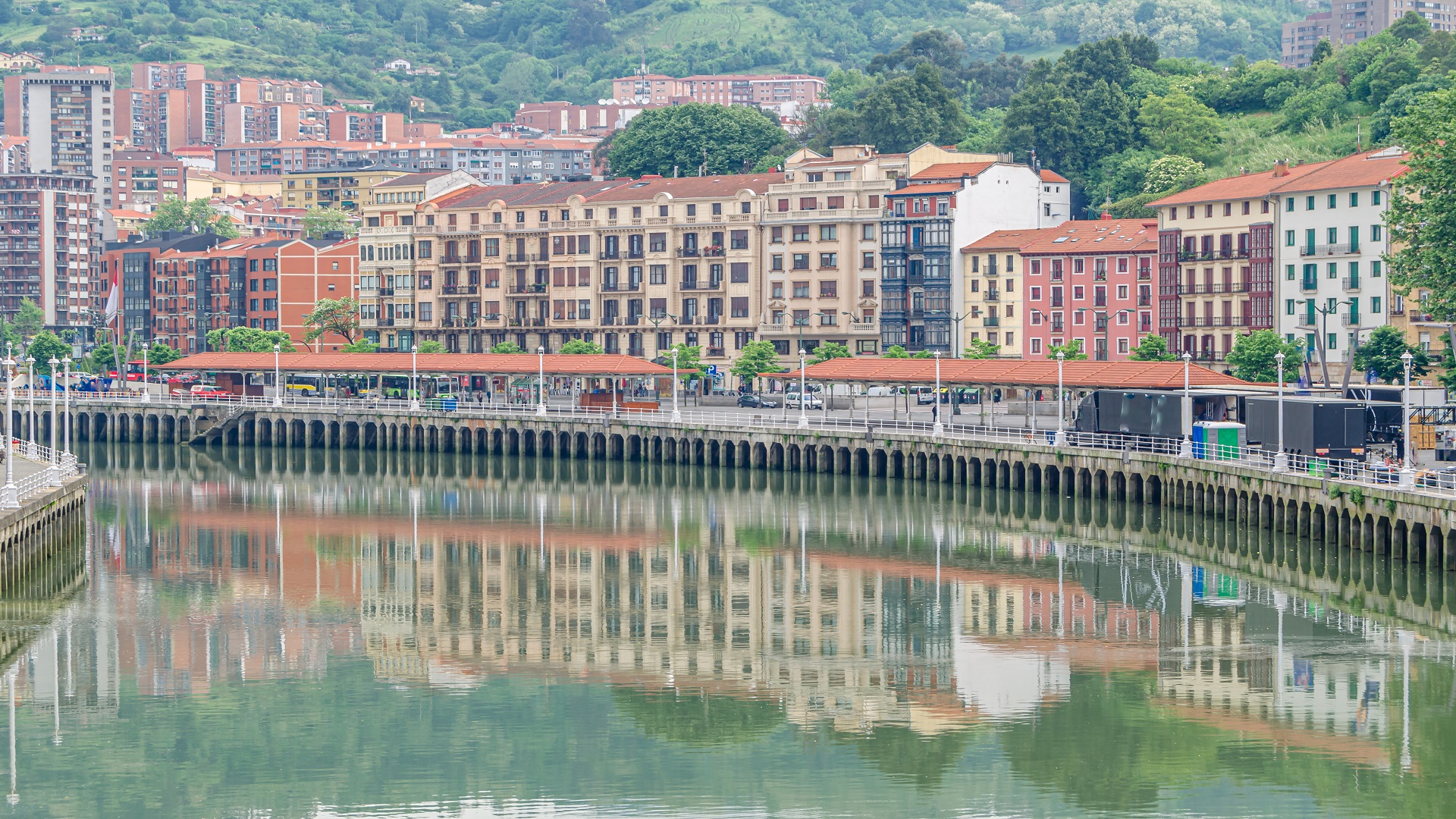
However, Bilbao also preserves its traditional essence in the Old Town, historic markets and the pintxo culture that defines much of Basque social life.
San Sebastián and the perfect combination of beach and gastronomy
La Concha Bay, the viewpoints of Igueldo and the streets of the old town make San Sebastián one of the most attractive cities in northern Europe for a gastronomic and cultural getaway.
The city also stands out for its renowned cuisine, where traditional pintxo bars coexist with some of the country’s most prestigious restaurants.
Santander and elegance by the sea
The Cantabrian capital offers a combination of maritime landscapes, stately architecture and promenades along the bay. The surroundings of Magdalena Palace and the beaches of El Sardinero present a classic and peaceful image of the Cantabrian coast.
Santander also serves as a gateway to some of the most spectacular mountain landscapes in northern Spain.
Picos de Europa, Oviedo and León: nature and history inland
The Picos de Europa provide the natural dimension of the route: gorges, mountain roads, stone villages and viewpoints over one of Spain’s most impressive mountain ranges.
Afterwards, Oviedo introduces Asturian character through its historic centre, cider and pre-Romanesque art. León closes the route with its imposing Gothic cathedral, the Barrio Húmedo and the heritage of the former Kingdom of León.
Gastronomy of the north: a route that also travels through flavours
One of the great attractions of the green north is the gastronomic variety accompanying every stage of the journey. Basque pintxos, Cantabrian seafood, mountain cheeses, Asturian cider, Riojan wines and León tapas turn the road into a continuous culinary experience.
The relationship between landscape and cuisine is especially noticeable in coastal and rural areas, where local produce remains central in markets, cider houses and traditional restaurants.
Tips for touring the green north by car
- Spring and autumn usually offer mild temperatures and fewer tourists.
- It is advisable to book accommodation in coastal and mountain areas in advance.
- Northern roads allow comfortable journeys, although in mountain areas it is recommended to drive at a relaxed pace.
- Many historic cities have park-and-ride facilities and pedestrian zones.
- The weather can change quickly in mountain and coastal areas.
A recommended experience for discovering northern Spain
For travellers wishing to explore northern Spain in an organised yet flexible way, the experience “Road trip through the green north: history, mountains and sea in a single experience” offers an itinerary between Madrid, Burgos, La Rioja, Bilbao, San Sebastián, Santander, Picos de Europa, Oviedo and León.
The route combines accommodation with breakfast, selected guided visits and balanced driving times to discover both cultural cities and emblematic natural landscapes of the Cantabrian coast.
A relaxed way to travel between museums, vineyards, beaches, mountains and historic centres while enjoying the cultural and scenic diversity of northern Spain at the rhythm of the road.