
Main World Heritage Sites in the Comunidad Valenciana
Main World Heritage Sites in the Comunidad Valenciana
The Comunidad Valenciana has important historical, cultural and natural spaces recognised by UNESCO as World Heritage. From historic cities to rock art, palm groves and cultural traditions, this Mediterranean region offers a great diversity of unique places to discover.
Travelling through the Comunidad Valenciana allows you to combine heritage, gastronomy, the Mediterranean coast and villages with centuries of history in destinations spread across the provinces of Valencia, Alicante and Castellón.
La Lonja de la Seda de Valencia
La Lonja de la Seda is one of the most important civil Gothic buildings in Europe and one of the great historical symbols of Valencia. Built between the 15th and 16th centuries, it reflects the commercial splendour that the city experienced during the Mediterranean period.
What stands out at La Lonja de la Seda
- Salón Columnario
- Patio de los Naranjos
- Valencian Gothic architecture
- Location next to the Mercado Central
The building is located right in the historic centre of Valencia and forms part of one of the most visited areas of the city.
El Palmeral de Elche
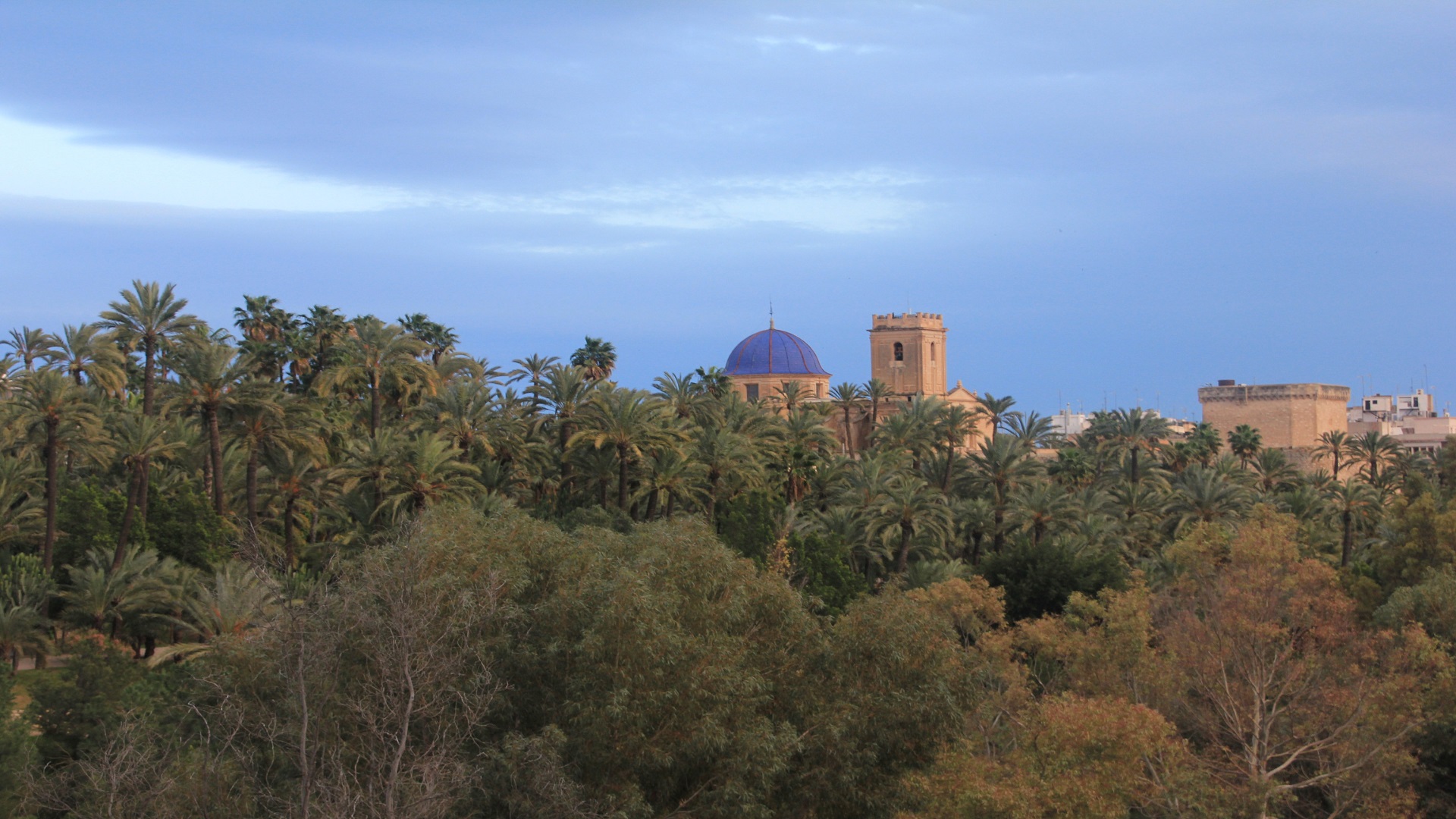
El Palmeral de Elche, in the province of Alicante, is the largest urban palm grove in Europe and one of the most singular landscapes in the Mediterranean.
Its origin dates back to the Andalusí period and it combines thousands of palm trees distributed through historic orchards within the city.
Essential places in Elche
- Huerto del Cura
- Parque Municipal
- Ruta del Palmeral
- Historic centre of Elche
The palm grove represents an exceptional example of traditional agriculture adapted to a semi-arid environment.
The rock art of the Mediterranean Arc
The Comunidad Valenciana preserves important examples of prehistoric rock art included within the group of the Rock Art of the Mediterranean Basin on the Iberian Peninsula.
These sites show paintings made thousands of years ago and are distributed across different points of the Valencian inland area.
Outstanding rock art areas
- Valltorta-Gassulla in Castellón
- Caves and shelters of Alicante
- Sites in the inland area of Valencia
The human and animal representations allow us to learn about aspects of prehistoric life in the Spanish Mediterranean.
El Misteri d’Elx
El Misteri d’Elx was recognised by UNESCO as Intangible Cultural Heritage of Humanity. It is a religious theatrical performance of medieval origin that is held every August in the Basílica de Santa María de Elche.
This tradition combines music, theatre and staging and constitutes one of the most important cultural events in the Comunidad Valenciana.
Las Fallas de Valencia
Las Fallas also form part of the Intangible Cultural Heritage of Humanity for their artistic, social and festive value.
Every March, Valencia celebrates one of Spain’s best-known festivals with fallas monuments, gunpowder, music and traditional activities that attract visitors from all over the world.
What to experience during Las Fallas
- La plantà of the monuments
- La mascletà
- The floral offering
- La cremà final
The Mediterranean diet
The Mediterranean diet, recognised by UNESCO as Intangible Cultural Heritage, has a strong presence in the Comunidad Valenciana thanks to traditional products such as rice, market garden vegetables, fish and olive oil.
Dishes such as paella valenciana form an essential part of the gastronomic identity of the region.
The Comunidad Valenciana and its heritage wealth
The World Heritage places and traditions of the Comunidad Valenciana reflect the cultural and historical diversity of this Mediterranean region. From Gothic monuments to historic palm groves and popular festivals, the territory offers a unique combination of heritage, culture and traditions.
Valencia, Elche and the landscapes of the Valencian inland area form an ideal route for those who wish to discover some of the most important cultural spaces of the Spanish Mediterranean.