
Main World Heritage Sites in Castilla y León to discover its history
Main World Heritage Sites in Castilla y León
Castilla y León is one of the autonomous communities with the greatest monumental and historical wealth in Spain. Its territory brings together medieval cities, cathedrals, archaeological sites and natural spaces recognised by UNESCO as World Heritage Sites.
Travelling through Castilla y León allows you to discover an essential part of Spanish history through Romanesque monuments, Gothic architecture, historic universities and enclaves linked to the Camino de Santiago.
The old city of Salamanca
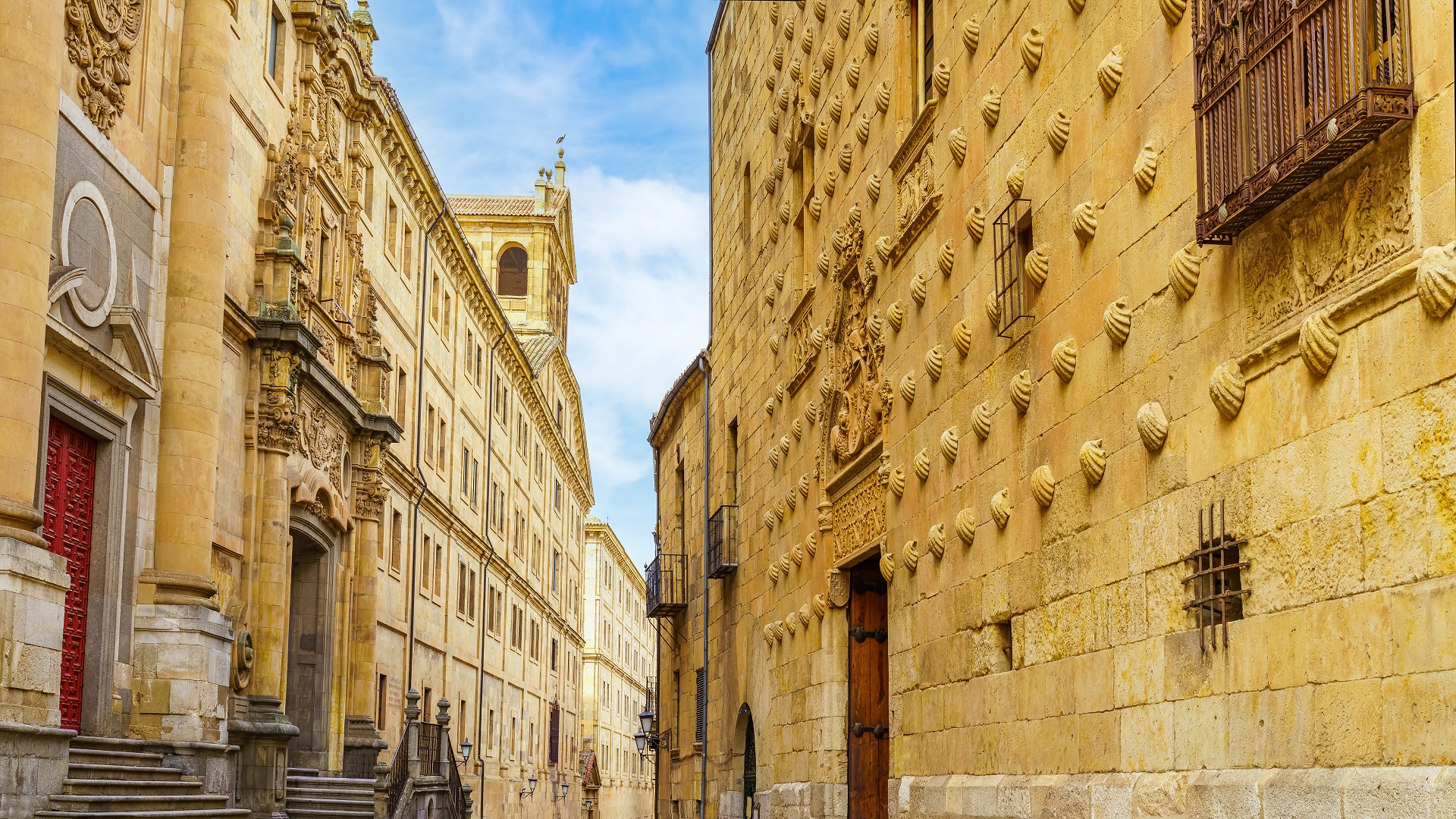
Salamanca is one of Spain’s great cultural points of reference thanks to its historic university and its extraordinary monumental ensemble. Its old quarter was declared a World Heritage Site by UNESCO for its artistic and academic value.
What to see in Salamanca
- Universidad de Salamanca
- Plaza Mayor
- Catedral Nueva and Catedral Vieja
- Casa de las Conchas
- Puente Romano
The university atmosphere and the golden-stone architecture make Salamanca one of the most attractive destinations in inland Spain.
The old city of Ávila and its walls
Ávila is famous for preserving one of the best-preserved medieval walls in Europe. The walled enclosure surrounds much of the historic quarter and constitutes one of the most recognisable symbols of Castilla y León.
Essential places in Ávila
- Murallas de Ávila
- Catedral de Ávila
- Basílica de San Vicente
- Convento de Santa Teresa
The city also stands out for its relationship with Santa Teresa de Jesús and for its religious and medieval heritage.
The aqueduct and the old city of Segovia
Segovia is home to one of the most impressive Roman monuments in Spain: the Acueducto de Segovia. This symbol of the city forms part of the UNESCO recognition together with the historic quarter.
What to visit in Segovia
- Acueducto romano
- Alcázar de Segovia
- Catedral de Segovia
- Historic quarter
In addition to its monumental heritage, Segovia is known for its traditional gastronomy and its proximity to Madrid.
Las Médulas in León
Las Médulas represent one of the most surprising historical and natural landscapes in Castilla y León. This former Roman mining complex used for the extraction of gold combines reddish mountains, paths and natural viewpoints.
The enclave shows the mark of Roman engineering in the middle of nature and is one of the most visited spaces in the province of León.
The Catedral de Burgos
The Catedral de Burgos was one of the first Spanish monuments recognised individually as a World Heritage Site. Its Gothic architecture and its towers make the building one of the most impressive temples in Europe.
What stands out about the Catedral de Burgos
- Gothic façade
- Capilla del Condestable
- Escalera Dorada
- Tumba del Cid Campeador
The city of Burgos also forms part of important historic routes such as the Camino de Santiago.
The archaeological sites of Atapuerca
Located in the province of Burgos, the sites of Atapuerca are one of the most important archaeological ensembles in the world for the study of human evolution.
The excavations carried out in the area have allowed the discovery of remains of some of the oldest hominids in Europe.
The Camino de Santiago in Castilla y León
The Camino de Santiago crosses much of Castilla y León and forms part of the World Heritage Site for its historical, cultural and religious importance.
Cities such as Burgos, León, Carrión de los Condes and Sahagún preserve monuments, churches and historic hospitals linked to the Jacobean route.
Castilla y León, one of Spain’s great cultural routes
The World Heritage Sites of Castilla y León show the enormous historical and cultural importance of this autonomous community. From medieval cities to archaeological sites and historic routes, the territory offers some of the most impressive enclaves of Spanish heritage.
Salamanca, Ávila, Segovia, Burgos, León and Atapuerca form an ideal route for those who wish to discover history, architecture and traditions in the heart of Spain.