
Main World Heritage Sites in Andalusia worth visiting
Main World Heritage Sites in Andalusia
Andalusia is one of the regions with the greatest historical and cultural wealth in Spain. Throughout its territory there are monumental cities, archaeological ensembles and historical buildings recognised by UNESCO as World Heritage Sites. These places reflect centuries of history marked by Roman, Islamic, Christian and Renaissance cultures.
From Nasrid palaces to historical centres and natural parks, Andalusia brings together some of the most impressive spaces in southern Europe for those seeking cultural tourism, architecture and unique traditions.
The Alhambra, the Generalife and the Albaicín of Granada
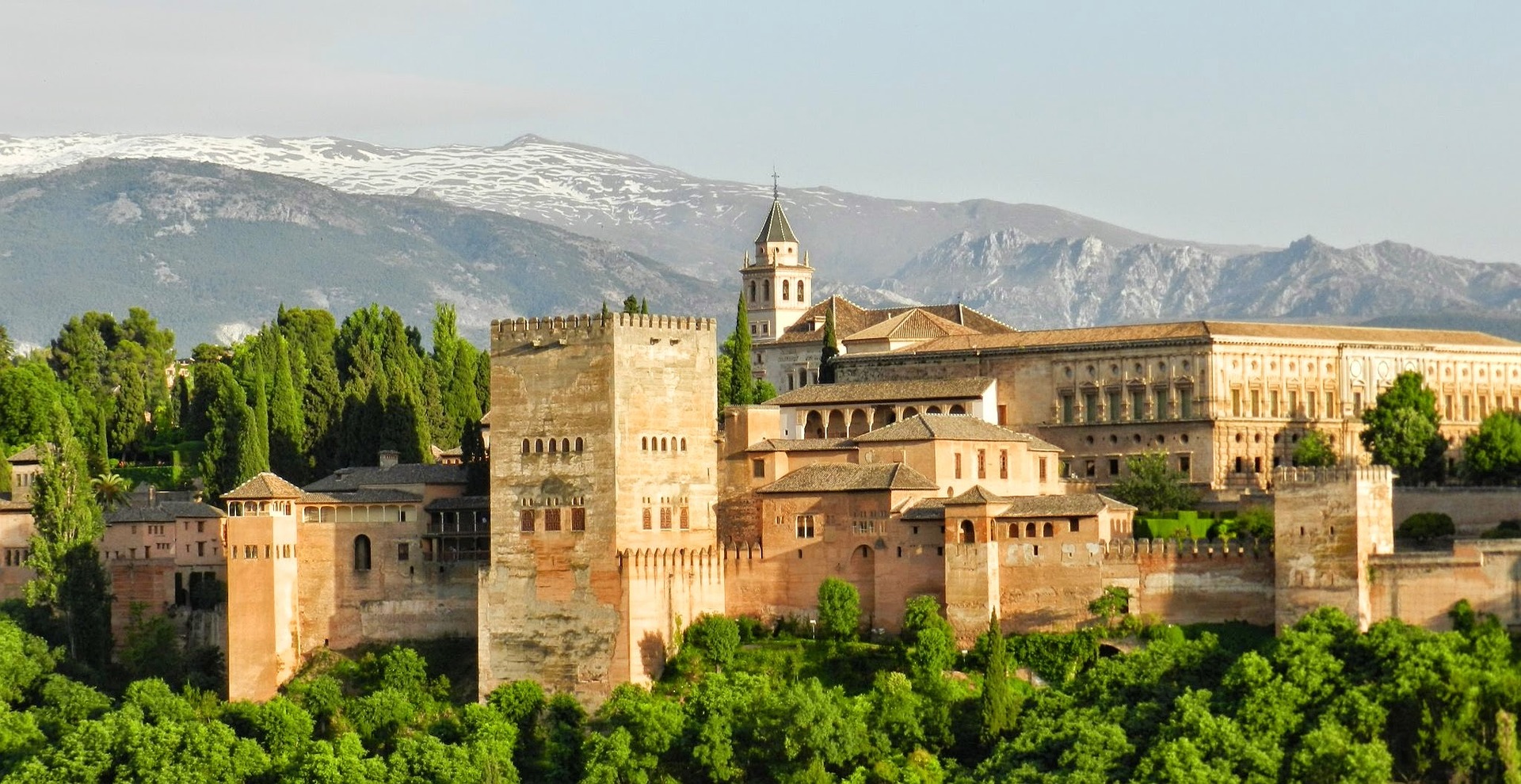
The Alhambra is one of the most visited monuments in Spain and one of the great symbols of the Andalusi legacy. This palatial ensemble located above the city of Granada stands out for its courtyards, gardens, fountains and Islamic decoration.
Together with the Alhambra, the Generalife and the historical quarter of the Albaicín form part of the UNESCO recognition for their enormous cultural and urban value.
What to see in this monumental ensemble
- Nasrid Palaces
- Patio de los Leones
- Generalife Gardens
- Viewpoints of the Albaicín
The Mosque-Cathedral and the historical centre of Córdoba
Córdoba is home to one of the most important monuments in the western Islamic world: the Mosque-Cathedral. Its famous forest of columns and two-coloured arches make it a unique architectural work.
The UNESCO recognition also includes a large part of Córdoba’s historical quarter, where narrow streets, traditional courtyards and remains from different historical periods stand out.
Essential places in Córdoba
- Mosque-Cathedral
- Roman Bridge
- Jewish Quarter of Córdoba
- Alcázar de los Reyes Cristianos
The Cathedral, the Alcázar and the Archivo de Indias of Seville
Seville has one of the most important monumental ensembles in Andalusia. Seville Cathedral, considered one of the largest Gothic cathedrals in the world, forms part of the list together with the Real Alcázar and the Archivo de Indias.
These monuments reflect the historical importance of Seville during the medieval period and trade with America.
What to visit in Seville
- La Giralda
- Real Alcázar de Sevilla
- Archivo de Indias
- Barrio de Santa Cruz
Úbeda and Baeza, jewels of the Andalusian Renaissance
The Jaén cities of Úbeda and Baeza were declared World Heritage Sites for their extraordinary Renaissance architectural ensemble.
Their squares, churches, palaces and historical buildings show the influence of the Italian Renaissance in Andalusia during the 16th and 17th centuries.
What stands out in Úbeda and Baeza
- Plaza Vázquez de Molina
- Cathedral of Baeza
- Renaissance palaces
- Historical streets and viewpoints
Doñana National Park
In addition to monumental heritage, Andalusia also has natural spaces recognised by UNESCO. Doñana National Park is one of the most important wetlands in Europe and a fundamental enclave for migratory birds.
Located between Huelva, Seville and Cádiz, Doñana combines marshes, dunes, forests and natural beaches of great ecological value.
The Dolmens of Antequera
The archaeological ensemble of the Dolmens of Antequera, in Málaga, represents one of the main examples of European megalithic architecture.
The funerary monuments of Menga, Viera and El Romeral, together with the landscapes of the Peña de los Enamorados and El Torcal, form part of this international recognition.
Andalusia, an essential destination for cultural tourism
The World Heritage sites of Andalusia show the enormous historical, artistic and natural diversity of the region. From monumental cities to unique natural spaces, visiting these destinations allows one to discover a fundamental part of the history of Spain and the Mediterranean.
Granada, Córdoba, Seville, Úbeda, Baeza, Antequera and Doñana form a cultural and landscape route that is perfect for those who wish to get to know some of the most impressive enclaves in southern Europe.