

What to Eat on Your Route through Castile and León
A gastronomic route through Castile and León: authentic flavours in every city
Castile and León is one of the great gastronomic treasures of Spain. Its traditional cuisine, based on local produce and historic recipes, is accompanied by exceptional wines, unique cured meats, and dishes that form part of its cultural identity. Travelling through this region means discovering a powerful, sincere, and personality-filled gastronomy.
If you are planning a route through Ávila, Segovia, Valladolid, Burgos, Salamanca, León, and Zamora, here is a guide to know where to eat and what not to miss in each city.
➤ Ávila: Castilian tradition inside and outside the walls
Ávila stands out for its simple and hearty cuisine. Its star dish, the Yemas de Santa Teresa (Santa Teresa's yolks), is a must-try to finish a typical meal.
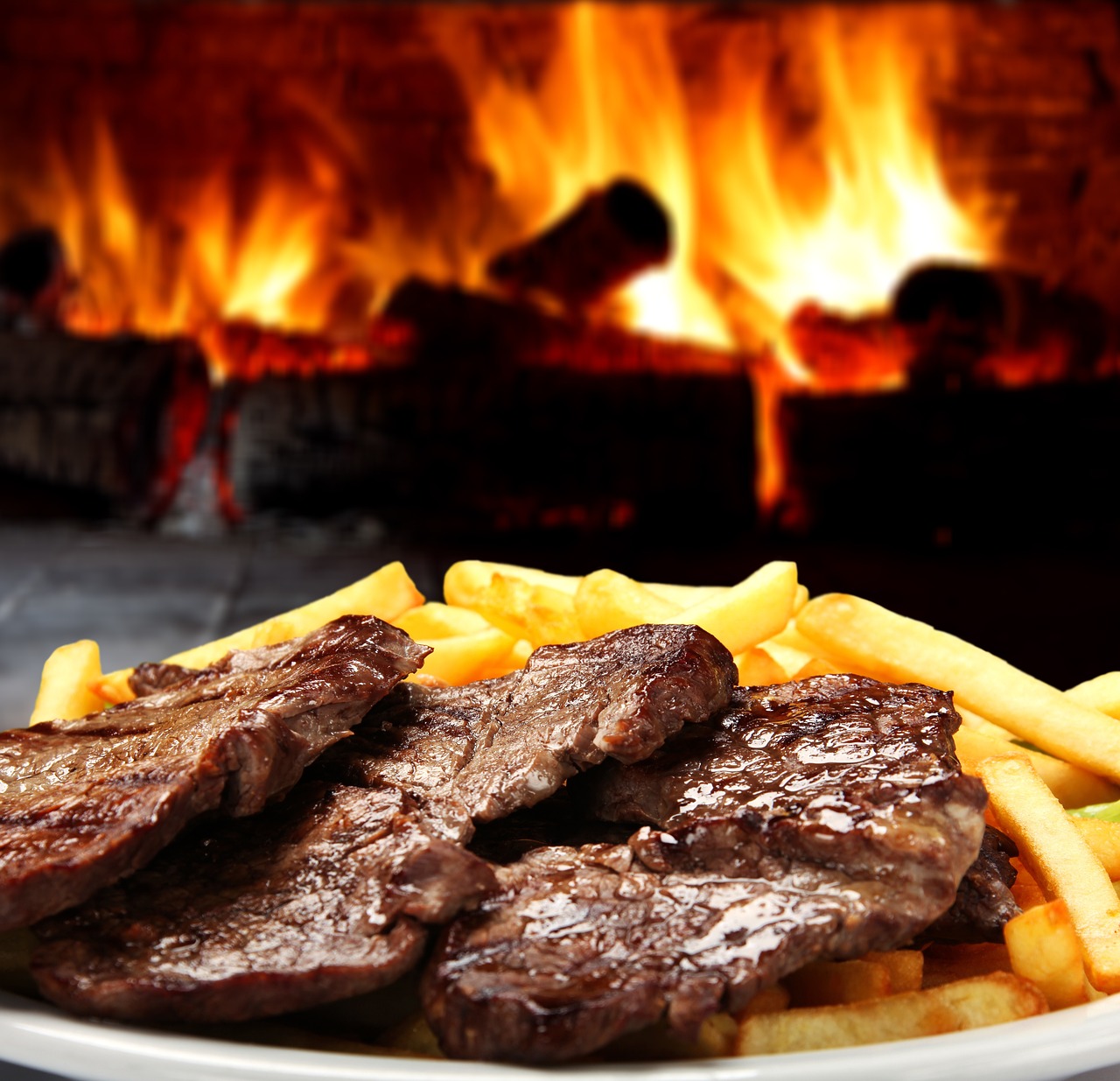
- Chuletón de Ávila (Ávila's large steak), famous for its tenderness and flavour.
- Judías del Barco de Ávila (Beans from Barco de Ávila), a comforting traditional stew.
- Patatas revolconas (mashed potatoes with paprika) with pork rinds (torreznos).
- Recommended restaurants: Cathedral area, surroundings of the Plaza Mayor, and traditional inns near the wall.
Perfect for enjoying classic Castilian gastronomy.
➤ Segovia: aqueduct, history, and the best roast
Segovia is synonymous with Cochinillo Asado (roast suckling pig), a dish that has become the city's emblem. Its crispy texture and juicy meat make the experience unforgettable.
- Roast suckling pig in traditional restaurants near the Aqueduct or in the Plaza Mayor.
- Judiones de La Granja (large white beans) in the historic inns.
- Ponche segoviano (Segovian punch) as a typical dessert.
- Areas for dining: surroundings of the Alcázar, Aqueduct, and old town.
A perfect city for those who enjoy traditional, lifelong Castilian food.
➤ Valladolid: tapas, pinchos, and Ribera del Duero wines
Valladolid is the tapas capital of Castile and León. Its bars and gastro-bars compete every year to create the best pinchos in Spain.
- Creative pinchos in the Plaza Mayor area and surroundings.
- Lechazo asado (roast suckling lamb) in traditional ovens.
- DO Ribera del Duero, Rueda, and Cigales wines.
- Mercado del Val for informal but high-quality dining.
A perfect city for those seeking gastronomic variety in small format.
➤ Burgos: birthplace of El Cid and a temple of fine dining
Burgos is a city of produce, tradition, and authentic flavours. Its most famous dish is the Morcilla de Burgos (Burgos black pudding), but there is much more to discover.
- Morcilla de Burgos and Castilian soups.
- Roast suckling lamb in traditional roasting houses.
- Fresh Burgos cheese.
- Recommended areas: streets near the Cathedral and Paseo del Espolón.
Burgos combines homemade cooking, local produce, and pure Castilian tradition.
➤ Salamanca: golden gastronomy and university tradition
Salamanca mixes Castilian gastronomy with a young and cosmopolitan atmosphere. Its bars, inns, and restaurants combine tradition and innovation.
- Hornazo salmantino: dough filled with cured meats.
- Morucha beef: native variety with great flavour.
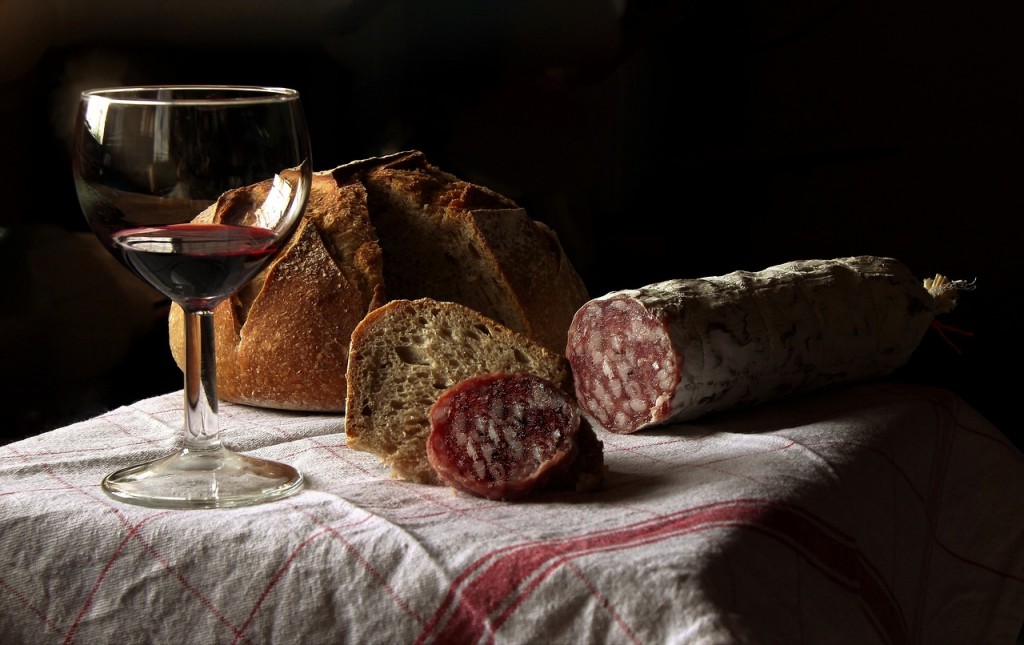
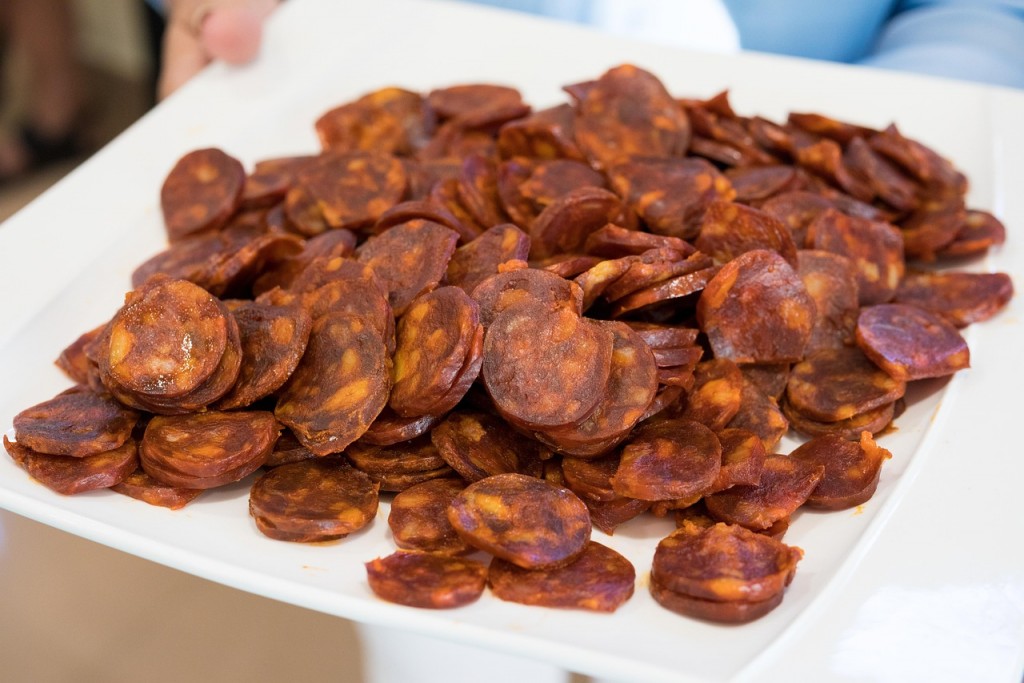
- Farinato (a type of sausage) and typical cured meats.
- Areas for dining: Barrio del Van Dyck, Plaza Mayor, Rúa Mayor.
Ideal for those who want to taste Castilian cuisine in a lively atmosphere.
➤ León: free tapas and cuisine with identity
León is famous for its Barrio Húmedo (Wet Quarter) and the Barrio Romántico (Romantic Quarter), where every drink order is accompanied by a free tapa, a deeply rooted local tradition.
- Cecina de León: cured meat with a deep flavour.
- Leonese black pudding.
- Botillo (in the province).
- Areas for dining: Plaza Mayor, Calle Ancha, and traditional streets of the historic centre.
A lively city, perfect for tapas and discovering its gastronomic essence.
➤ Zamora: capital of Romanesque architecture and good food
Zamora surprises with its culinary offer and its authenticity. Its cuisine is tasty, hearty, and linked to the countryside.
- Arroz a la zamorana (Zamora-style rice), a traditional dish with meat and paprika.
- Mollejas a la zamorana (Zamora-style sweetbreads): Veal or lamb sweetbreads with a typical slightly spicy sauce.
- Zamora cheese with DO (Designation of Origin).
- Recommended areas: Calle de los Herreros, surroundings of the Plaza Mayor, and the tapas area.
An ideal city to enjoy time-honoured recipes accompanied by wines from Toro and Arribes.
➤ Castile and León: a region to savour slowly
Each city in Castile and León has its own gastronomic identity, but all share something in common: respect for tradition, love for local produce, and a cultural deep-rootedness that turns every dish into a part of their history.
- Ávila: large steak (chuletón) and mashed potatoes with paprika (patatas revolconas).
- Segovia: suckling pig and large white beans (judiones).
- Valladolid: pinchos and wines.
- Burgos: black pudding and lamb.
- Salamanca: hornazo and morucha beef.
- León: cured meat (cecina) and tapas.
- Zamora: Zamora-style rice and cheeses.
A perfect route for those who love to travel through the palate and discover the essence of each place through its cuisine.
Eating in Castile and León is about enjoying tradition, authentic flavour, and recipes that have been passed down through generations.
Images
 What to Eat on Your Route through Castile and León
 What to Eat on Your Route through Castile and León
 What to Eat on Your Route through Castile and León