
Where to Eat on Your Route through Andalusia
Flavours of the south: a gastronomic route through Córdoba, Seville, Granada, and Cádiz
Andalusia is one of the most gastronomic regions in Spain. Its recipes are the result of the mixing of cultures, Arab influence, the Mediterranean climate, agricultural and fishing richness, and a culinary tradition that is lived on the street, in bars, and in family kitchens.
This route through Córdoba, Seville, Granada, and Cádiz allows you to discover some of the richest cities in terms of flavour, history, and gastronomic culture in the south.
➤ Córdoba: Caliphal tradition and cuisine with soul
Córdoba blends Arab heritage, countryside recipes, and dishes that reflect centuries of history. Its historic centre is full of taverns where gastronomy is pure Andalusian character.
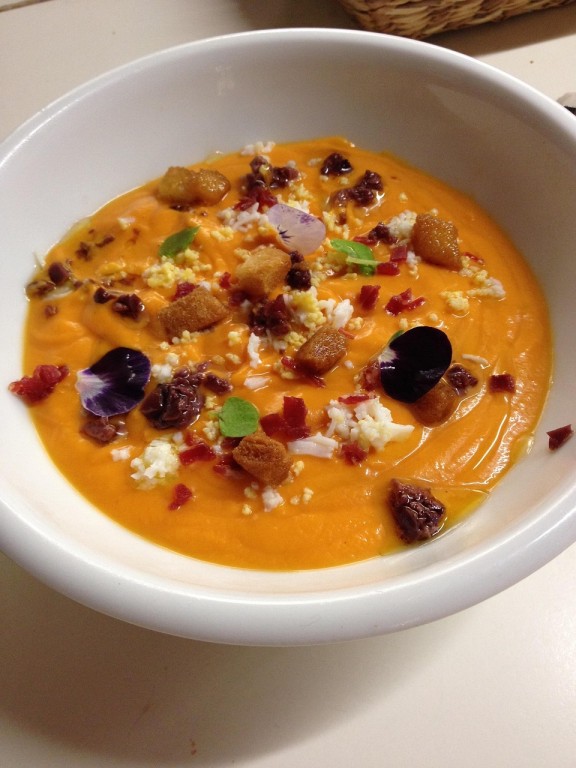
- Salmorejo cordobés (Córdoba-style cold tomato soup), creamy and served with ham and hard-boiled egg.
- Flamenquín (deep-fried rolled pork loin and ham), one of the great local classics.
- Aubergines with honey (Berenjenas con miel), with clear Al-Andalusian influence.
- Rabo de toro (Oxtail stew), the city's emblematic stew.
- Where to eat: Judería (Jewish Quarter), the area around the Mosque, and Calle Lineros.
Córdoba is perfect for those seeking traditional, intense cuisine closely linked to its historical roots.
➤ Seville: tapas capital and culinary joy
Seville is one of the most vibrant gastronomic destinations in Spain. The tapas culture reaches its maximum expression here, with bars offering traditional and modern proposals.
- Spinach with chickpeas (Espinacas con garbanzos), an essential tapa of the city.
- Pescaito frito (fried fish), especially in Triana and Los Remedios.
- Montadito de pringá (small sandwich with stewed meats), intense and delicious.
- Solomillo al whisky (pork tenderloin in whisky sauce), a classic of Seville taverns.
- Recommended areas: Santa Cruz, Alameda de Hércules, and Calle Feria.
In Seville, you eat well, with variety, and in an atmosphere that combines tradition with modernity.
➤ Granada: free tapas and Arab heritage
In Granada, gastronomy is lived on the street. The tradition of offering free tapas with every drink turns any walk through the city into a culinary experience.
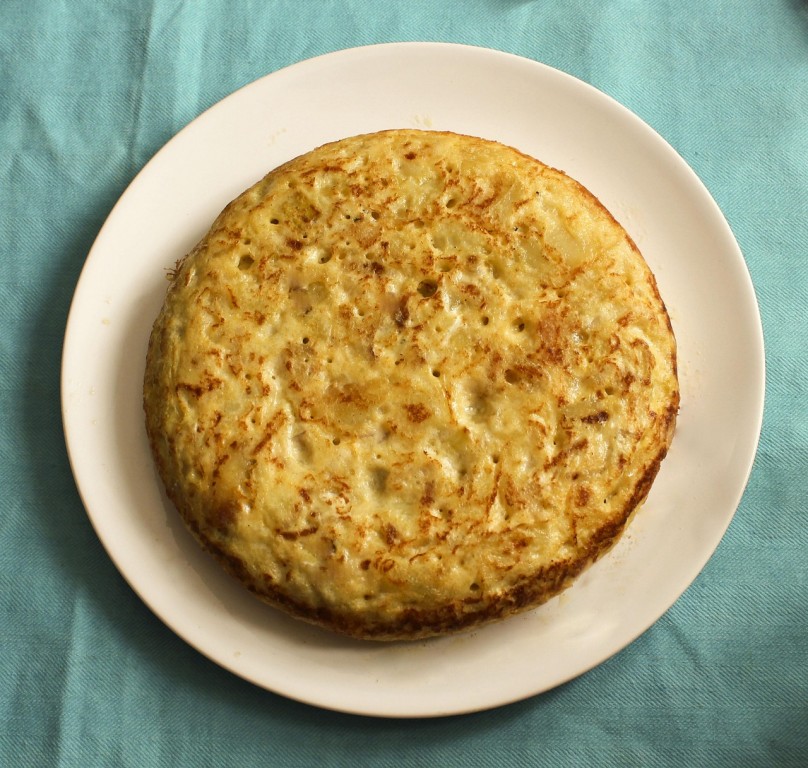
- Tortilla del Sacromonte (Sacromonte omelette), authentic and full of character.
- Dishes with Arab influence: couscous, tagines, almond sweets.
- Varied tapas in neighbourhoods like Realejo, Centro, or Albaicín.
- Habas con jamón (broad beans with ham), one of the most typical dishes.
- Where to eat: Calle Navas, Plaza Nueva, area around the Cathedral.
Granada is ideal for those looking to eat well in a young, lively, and multicultural atmosphere.
➤ Cádiz: Atlantic essence and seafood flavour
Cádiz is a city where gastronomy is closely linked to the sea. Its cuisine is fresh, light, and deeply Atlantic.
- Tortillitas de camarones (Prawn fritters), crunchy and tasty.
- Red tuna from *almadraba* (traditional fishing method), one of the province's star products.
- Ortiguillas fritas (Fried sea anemones), a very Cádiz delicacy.
- Pescaito frito (Fried fish) in its most delicate version.
- Recommended areas: La Viña quarter, El Pópulo, and the promenade.
In Cádiz, you eat with views of the ocean, breathing history, and enjoying an authentic and delicious sailor's cuisine.
➤ Andalusia: a diverse gastronomic route full of identity
These four cities showcase the culinary richness of Andalusia: its mix of cultures, the importance of fresh produce, the presence of the sea, and the rural tradition of the interior.
In a single route you can enjoy:
- The Caliphal freshness of Córdoba.
- The vibrant tapas culture of Seville.
- The gastronomic generosity of Granada.
- The maritime essence of Cádiz.
Eating in Andalusia is savouring its history, its character, and its joy in every dish.