
Barcelona: gastronomy, the Mediterranean and urban culture
Barcelona and its gastronomy
Barcelona: a city where gastronomy blends tradition and creativity
Barcelona is one of Europe’s great gastronomic destinations. Its combination of traditional Catalan cuisine, Mediterranean culture, historic markets and avant-garde proposals has turned the city into an international culinary reference.
From tapas bars with decades of history to world-renowned fine dining restaurants, Barcelona offers gastronomic experiences for every taste. In addition, its relationship with the Mediterranean Sea provides fresh produce and a culinary identity deeply connected to the territory.
The city also combines gastronomy with architecture, cultural life and neighbourhoods full of personality, making eating in Barcelona much more than simply sitting down at the table.
➤ Tapas and Catalan cuisine in Barcelona’s most gastronomic neighbourhoods
Barcelona’s gastronomy is intensely experienced in its streets, markets and terraces. Each neighbourhood has its own culinary style and personality.
- El Born and the Gothic Quarter: ideal areas for discovering historic bars, traditional tapas and local atmosphere.
- Gràcia: a neighbourhood with creative proposals, traditional wine bars and contemporary Catalan cuisine.
- Barceloneta: a gastronomic reference point for enjoying rice dishes, fresh fish and seafood cuisine facing the Mediterranean.
Tapas form an essential part of Barcelona’s gastronomic experience. From the classic pa amb tomàquet to croquettes, bombas, Catalan cured meats and fresh seafood, the variety is enormous and reflects the blend of tradition and innovation.
➤ Fine dining and internationally renowned restaurants
Barcelona is also one of Spain’s great capitals of fine dining. The city is home to internationally recognised restaurants that have driven the evolution of contemporary cuisine.
- Disfrutar, considered one of the most influential restaurants in modern gastronomy.
- Lasarte, a benchmark of fine dining with several Michelin stars.
- ABaC, known for its creative and sophisticated cuisine.
These gastronomic spaces combine innovative techniques, Mediterranean produce and reinterpretations of traditional Catalan cuisine.
➤ Mediterranean cuisine and seafood produce
Barcelona’s relationship with the Mediterranean deeply shapes its gastronomy. Fresh fish, rice dishes and seafood are central to many restaurants and traditional recipes.
- Fideuà, one of the most popular seafood dishes.
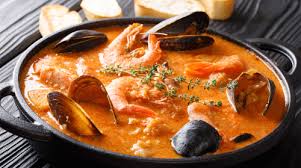
- Suquet de peix, a traditional fish stew typical of the Catalan coast.
- Fresh squid and seafood, commonly found in taverns and restaurants near the port.
- Mediterranean rice dishes, especially popular in Barceloneta.
Barcelona’s cuisine maintains a balance between Catalan tradition and the Mediterranean lifestyle.
➤ Gastronomic markets: the value of local produce
Markets form an essential part of Barcelona’s culinary identity. They are spaces where chefs, locals and visitors search for fresh, high-quality produce.
La Boqueria, located on Las Ramblas, is the city’s most famous market and one of the best known in Europe. Its stalls offer fruits, fish, cured meats, cheeses and typical Catalan products.
Other markets such as Santa Caterina and Sant Antoni also reflect the importance of fresh produce within local gastronomy.
➤ Vermouth, traditional wine bars and local tradition beyond the city centre
Barcelona’s gastronomic culture is also experienced in its traditional wine bars and historic bars spread across different neighbourhoods.
- Vermouth forms part of a deeply rooted social tradition in the city.
- Traditional wine bars preserve authentic recipes and atmosphere.
- Aperitifs and tapas accompany local gatherings and social meetings.
Many travellers discover in these places a more authentic Barcelona, closely linked to the everyday life of its neighbourhoods.
➤ Barcelona: gastronomy, the Mediterranean and urban culture
Eating in Barcelona also means strolling through its markets, discovering small hidden bars, enjoying a terrace facing the sea or combining gastronomy with art and architecture.
The city offers a complete culinary experience where Catalan tradition, Mediterranean cuisine, gastronomic innovation and a cosmopolitan atmosphere coexist.
Barcelona has established itself as one of Europe’s great gastronomic destinations thanks to its ability to combine local produce, creativity and a culinary culture deeply connected to its Mediterranean identity.