

Santiago de Compostela: Tradition, Devotion, and Gastronomy
A city where the past, faith, and local life meet
Santiago de Compostela is one of the most special destinations in Spain. The final point of the Camino de Santiago (Way of St. James) and a World Heritage Site, it is a city where spiritual tradition, monumental art, and Galician gastronomy intertwine to create a unique experience. Every cobbled street, every square, and every aroma emanating from its restaurants tell a story that has been built over more than a thousand years.
➤ Tradition: a city anchored in history
Santiago is the result of centuries of culture, pilgrimage, and coexistence. Its historic centre is one of the most beautiful in Europe, full of Romanesque, Gothic, and Baroque architecture that remains surprisingly alive.
- Streets like Rúa do Franco or Rúa do Vilar: full of arcades, traditional shops, and a pilgrim atmosphere.
- Plaza de Quintana: a common meeting point and the setting for liturgical celebrations.
- Monasteries and churches that reflect different stages of Galician history.
Walking through the historic centre means stepping back in time while discovering the purest essence of Galicia.
➤ Devotion: the emotion of the end of the Camino
For millions of pilgrims, Santiago de Compostela is the dreamed destination. Arriving in the city, seeing the Cathedral towers, and stepping onto the Plaza del Obradoiro generates an emotion that is difficult to describe.
- Santiago Cathedral: one of the great jewels of European Romanesque art, expanded in successive styles.
- Portico of Glory (Pórtico de la Gloria): a masterpiece by Master Mateo.
- Botafumeiro (Incense Burner): one of the most impressive liturgical rituals in the world.
- Crypt of the Apostle St. James: a place of veneration for pilgrims and visitors.
The devotion is felt in every pilgrim's mass, in every embrace between walkers, and in every step taken inside the Cathedral.
➤ Gastronomy: pure Galician essence
Santiago is also a gastronomic paradise. Galician cuisine, based on fresh produce and authentic flavours, stands out in both traditional restaurants and contemporary proposals.
- Pulpo á feira (Galician-style octopus): an essential dish on any visit.
- Empanada gallega (Galician savoury pie): with tuna, zorza (marinated pork), cockles, or cod with raisins.
- Seafood from the Rías (estuaries): razor clams, mussels, clams, and barnacles (percebes).
- Tetilla cheese and Arzúa-Ulloa cheese.
- Tarta de Santiago (St. James's Cake): the most emblematic dessert of the city.
The streets of the centre offer taverns, bars, and restaurants where you can try the best of the local gastronomy, with a warm and hospitable atmosphere.
➤ Culture and Compostela life: much more than tourism
In addition to its religious value, Santiago is a culturally very active city. Its university atmosphere brings dynamism, creativity, and a rhythm full of life throughout the year.
- University of Santiago: one of the oldest in Spain.
- Teatro Principal (Main Theatre) and Auditorio de Galicia (Auditorium): cultural epicentres.
- Museums such as the Museo do Pobo Galego (Museum of the Galician People) or the Centro Gaiás in the Cidade da Cultura (City of Culture).
- Festivals of music, cinema, and art throughout the year.
Santiago is not only visited, it is lived: every square has its atmosphere, every neighbourhood its personality, every day its own story.
➤ A city to return to again and again
Whether for spiritual, cultural, or gastronomic reasons, Santiago de Compostela leaves a mark. Its bells, its aromas, its architecture, its street music, and the warmth of its people create an unforgettable experience.
Many pilgrims return not to walk, but to relive the emotion of the Obradoiro, stroll through its cobbled streets, or enjoy its cuisine.
Santiago de Compostela is tradition, devotion, and Galician flavour. A unique city that blends heritage, spirituality, and culture in every corner.
Images
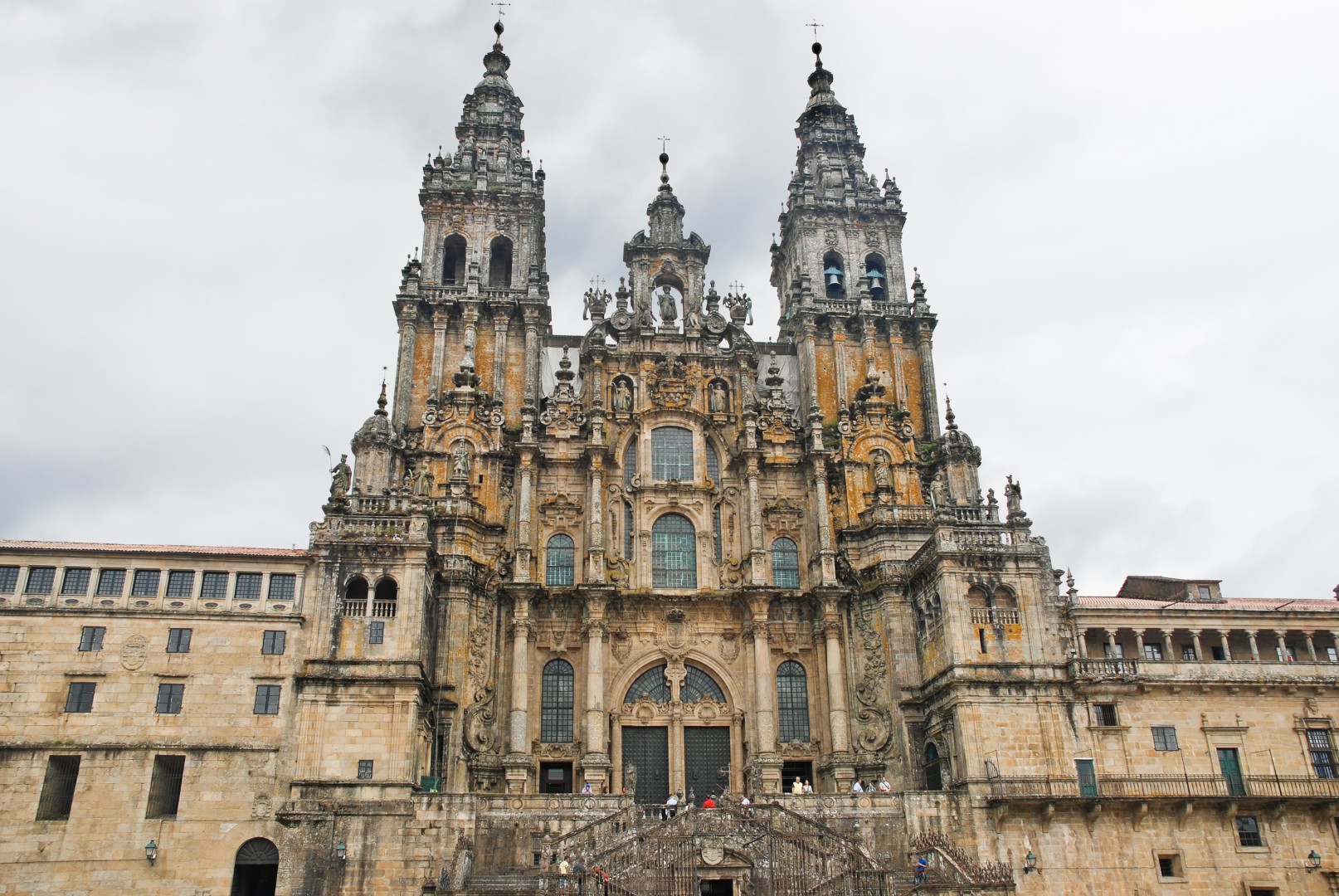 Santiago de Compostela: Tradition, Devotion, and Gastronomy
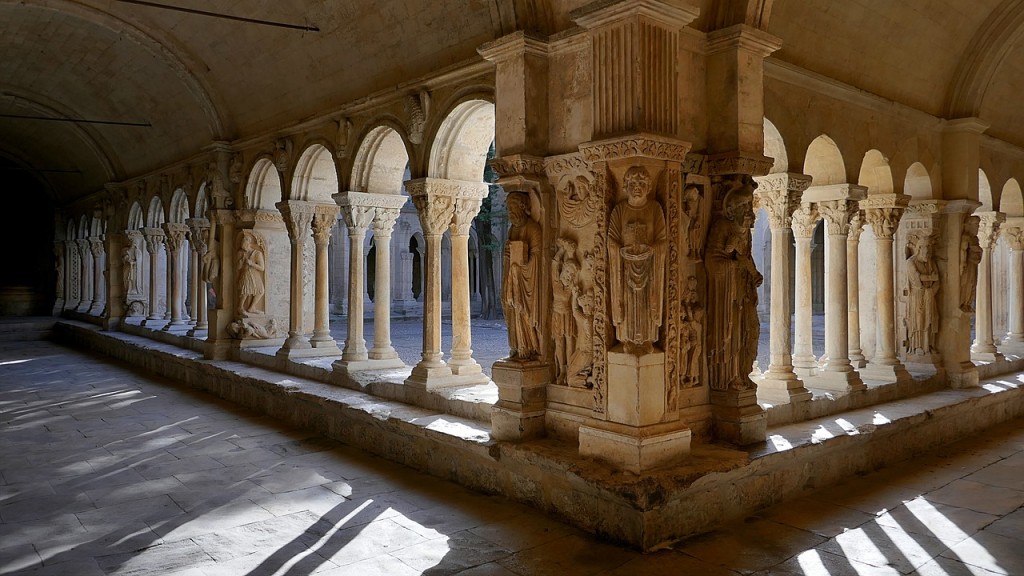 Santiago de Compostela: Tradition, Devotion, and Gastronomy
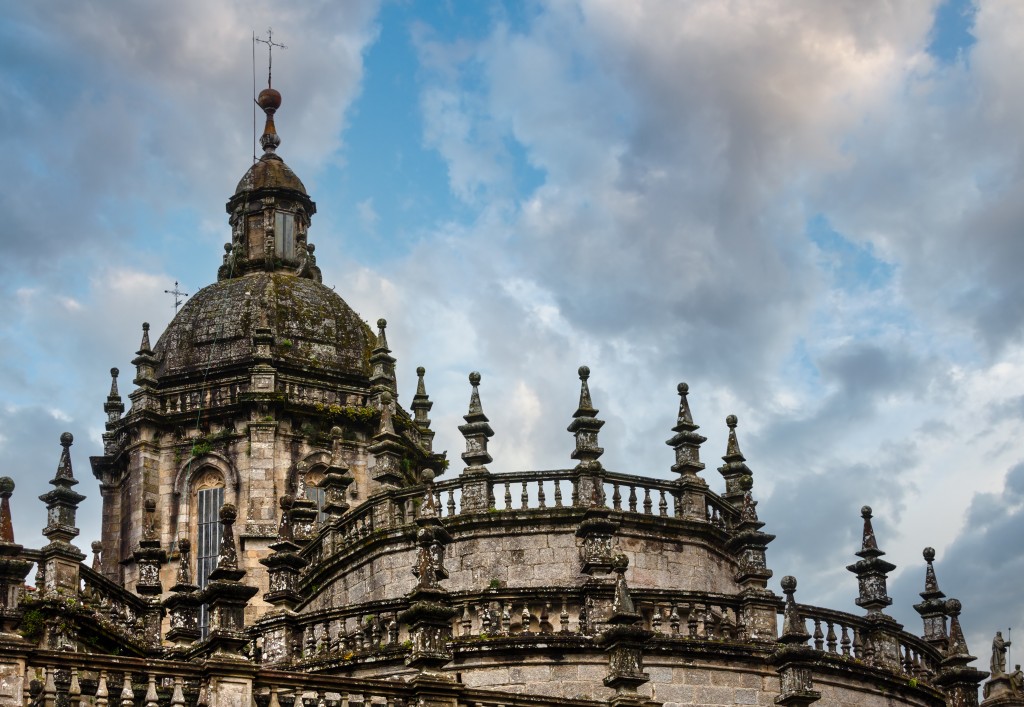 Santiago de Compostela: Tradition, Devotion, and Gastronomy