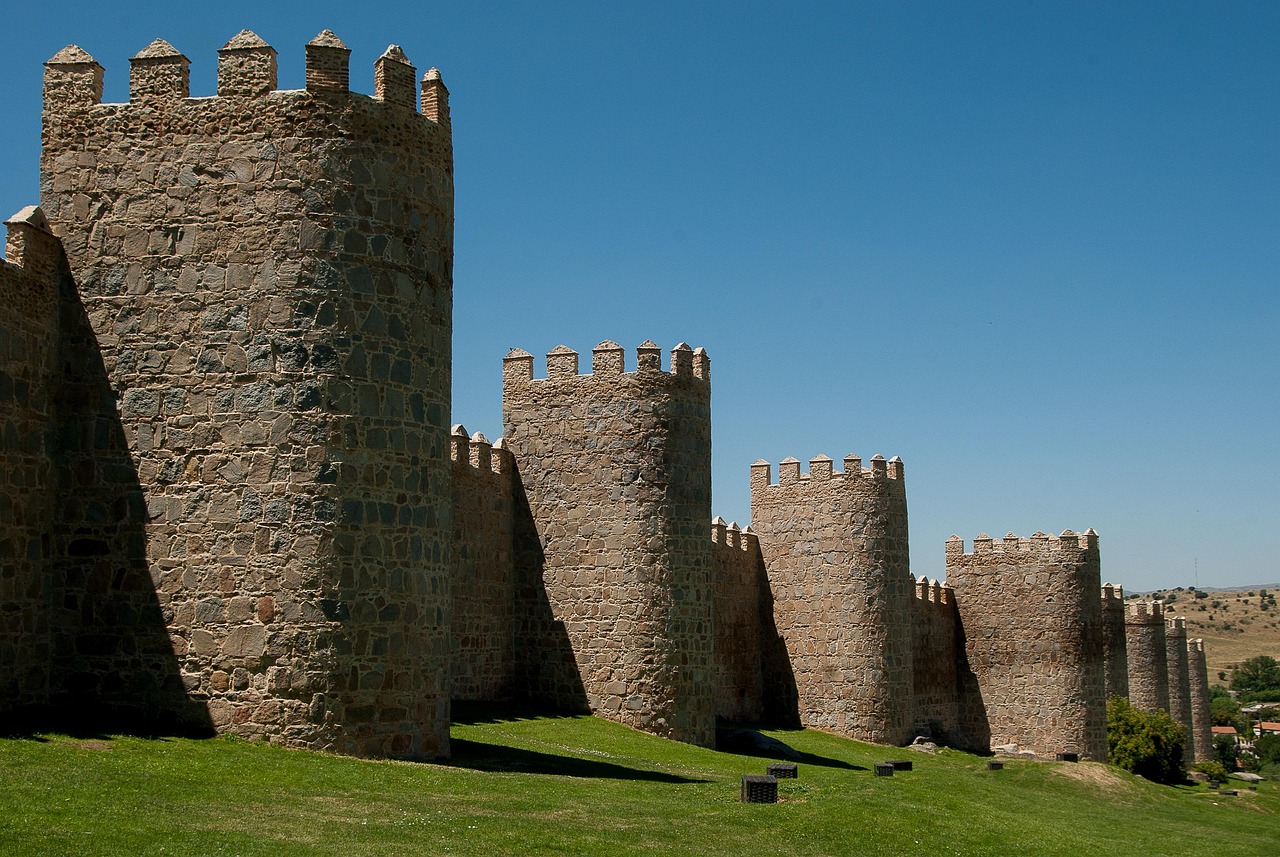

The Heritage of Medieval Castile
A journey through the medieval essence of the heart of Spain
Castile is the birthplace of some of the most impressive medieval legacies in Europe. Among fortresses, cathedrals, walls, centuries-old main squares, and historic centres laid out almost a thousand years ago, these cities preserve a heritage that allows you to travel back in time.
Toledo, Segovia, Salamanca, Zamora, León, and Valladolid represent, each in their own way, the political, religious, military, and cultural splendour of medieval Castile. A tour of them is a direct immersion into the history of the Iberian Peninsula.
➤ Toledo: the city of the Three Cultures
Toledo is one of the most important medieval complexes in the world. Its historic centre, high on a promontory and surrounded by the Tagus river, reflects the historical coexistence of Christians, Muslims, and Jews.
- Primate Cathedral: a masterpiece of Castilian Gothic.
- Alcázar: military symbol of the city since medieval times.
- Synagogue of El Tránsito and the Sephardic legacy.
- Church of Santo Tomé and the famous painting by El Greco.
Walking through Toledo is walking through a medieval labyrinth full of legends, craftsmanship, and unique architecture.
➤ Segovia: Roman aqueduct and medieval soul
Segovia stands out for the perfect union of Roman heritage and medieval splendour. Its skyline is one of the most recognisable in Spain.
- Roman Aqueduct: one of the best preserved in the world.
- Alcázar of Segovia: medieval castle that inspired Walt Disney.
- Segovia Cathedral: known as “the lady of the cathedrals”.
- Walls and medieval quarter.
Segovia preserves an authentic medieval atmosphere that can be appreciated on every cobbled street.
➤ Salamanca: university, golden stone, and humanist knowledge
Medieval Salamanca is synonymous with university, humanism, and golden architecture. Its sandstone, which acquires golden tones with the light, is one of its most emblematic features.
- University of Salamanca: one of the oldest in Europe (1218).
- Old Cathedral and New Cathedral.
- House of Shells (Casa de las Conchas).
- Plaza Mayor: a Baroque jewel with the essence of a medieval square.
Salamanca was one of the great intellectual centres of medieval Europe.
➤ Zamora: the capital of Romanesque architecture
Zamora is one of the most important Romanesque complexes in Europe. Its old town preserves more than twenty medieval churches, which has earned it the nickname of “the city of the Romanesque”.
- Zamora Cathedral with its Byzantine-inspired scalloped dome.
- Romanesque churches such as Santa María Magdalena or San Claudio.
- Zamora Castle.
- Medieval walls.
Zamora is a treasure for those looking for authentic and uncrowded medieval architecture.
➤ León: cathedrals, kings, and the Medieval Kingdom
León was the capital of a powerful medieval kingdom whose legacy is still visible in its impressive heritage.
- León Cathedral: a jewel of European Gothic with spectacular stained-glass windows.
- Basilica of San Isidoro: considered “the Sistine Chapel of the Romanesque”.
- Medieval walls and Roman layout.
- Barrio Húmedo (Wet Quarter): tradition, history, and gastronomy.
León is one of the most complete destinations for lovers of sacred medieval art.
➤ Valladolid: the stately city of the Castilian Middle Ages
Valladolid was one of the most influential cities in Castile during the Middle Ages and the Renaissance. Although it retains less medieval layout than other nearby cities, its heritage remains key to understanding the history of Castile.
- Church of San Pablo: spectacular Gothic façade.
- University of Valladolid, one of the oldest in the country.
- Plaza Mayor: one of the first regular main squares in Spain.
- Colegio de San Gregorio (National Sculpture Museum): one of the best museums in the country.
Valladolid stands out for its political importance during the Middle Ages and its rich religious heritage.
➤ A unique collection of medieval heritage
The six cities form an exceptional route through the history of Castile and the Kingdom of Spain itself:
- Toledo: melting pot of cultures.
- Segovia: castles and monumental architecture.
- Salamanca: university knowledge and art.
- Zamora: the capital of Romanesque.
- León: Gothic splendour and royalty.
- Valladolid: political power and religious heritage.
Together they form an exceptional mosaic of Romanesque, Gothic, Mudejar, and Renaissance art, as well as a cultural tradition that remains alive.