
Discovering Zaragoza
Zaragoza, a city full of history on the banks of the Ebro river
Zaragoza is one of the most fascinating cities in northern Spain. The capital of Aragón, it is where Roman, Muslim, Jewish, and Christian influences converge, resulting in an extraordinary monumental heritage. Its strategic location and welcoming character make it a perfect destination to discover art, gastronomy, and urban life on a tranquil stroll full of surprises.
➤ The Basilica del Pilar: an imposing symbol
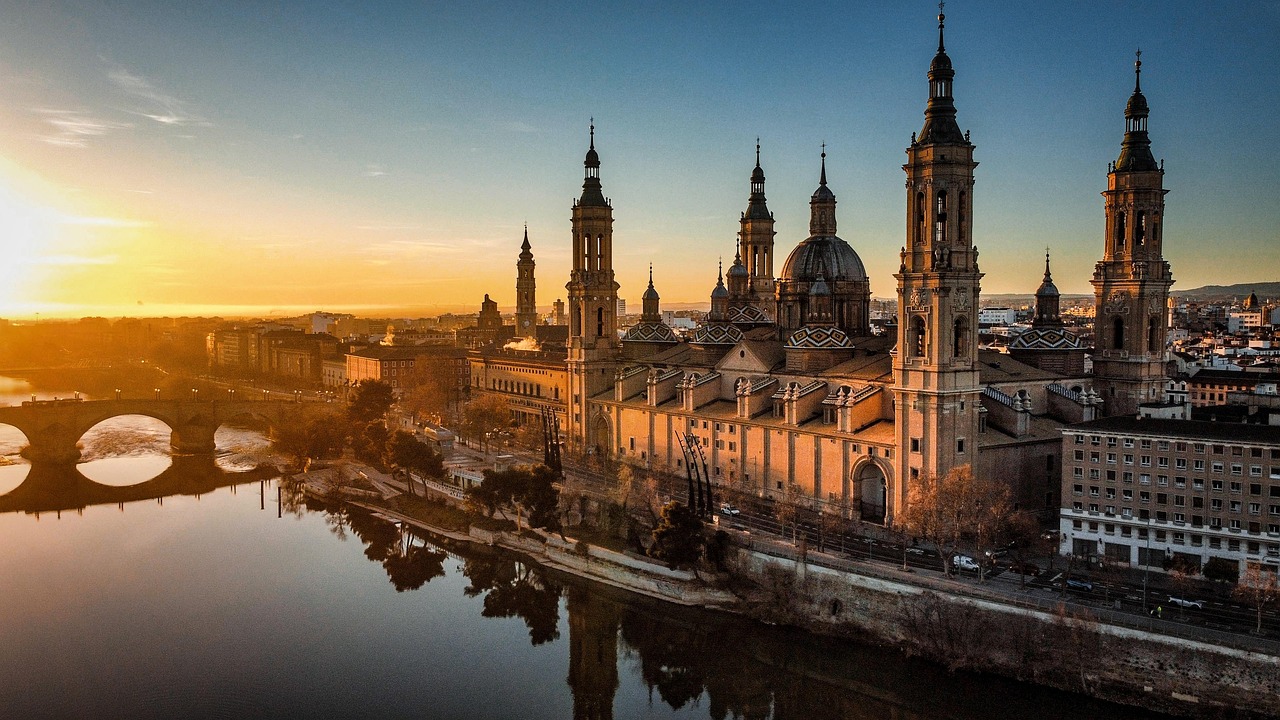
The Basilica of Our Lady of the Pillar (Basílica de Nuestra Señora del Pilar) is the most emblematic monument in Zaragoza and one of the most important pilgrimage centres in Spain. Standing on the Ebro river, its image forms one of the country's most well-known postcards.
- Tiled domes that rise above the city.
- Chapel of the Virgin (Capilla de la Virgen), a place of devotion and tradition.
- Panoramic views from the tower, perfect for observing the Ebro and the entire historic centre.
- Goya frescoes in the dome, an essential artistic jewel.
A visit that mixes spirituality, art, and emotion.
➤ La Seo: history and Mudejar art
The Cathedral of the Saviour (Catedral del Salvador), known as La Seo, is one of the finest examples of Mudejar art in Aragón. Its blend of styles—Romanesque, Gothic, Renaissance, and Baroque—reflects centuries of history and cultural transformations.
- Unique Mudejar façade, declared a World Heritage Site.
- Main altarpiece, considered a masterpiece of International Gothic.
- Tapestry Museum: one of the best in Europe.
A jewel that perfectly complements a visit to El Pilar.
➤ Aljafería Palace: the splendour of Al-Andalus in Aragón
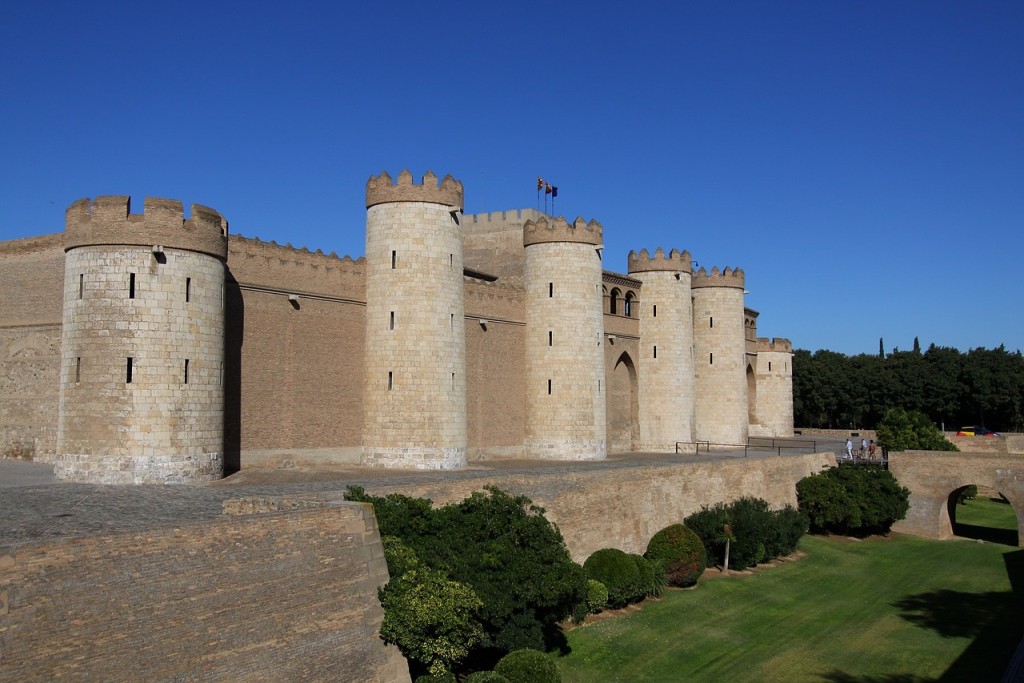
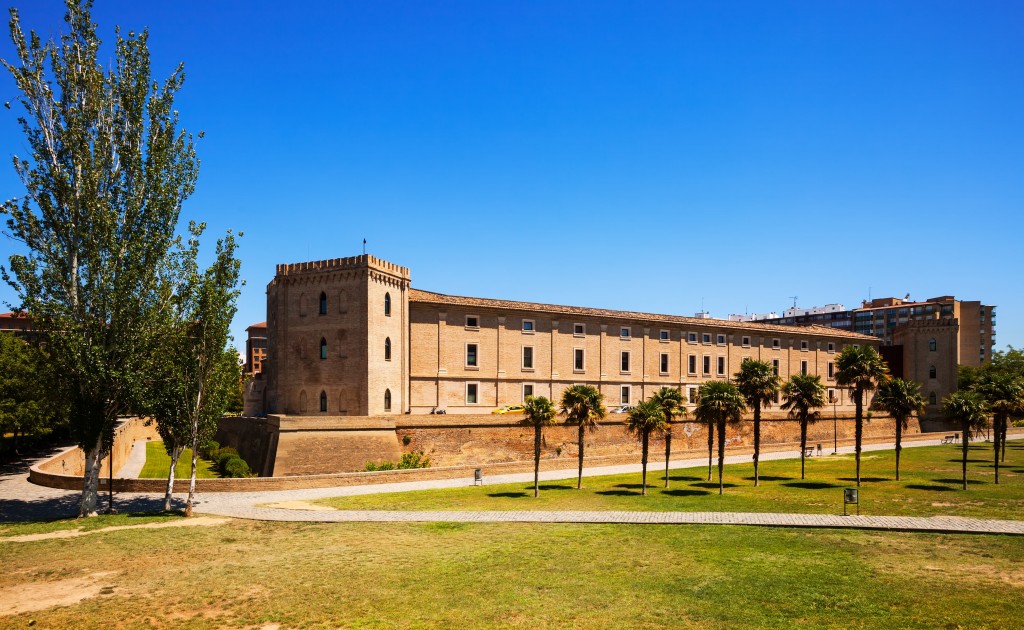
The Aljafería Palace (Palacio de la Aljafería) is one of the most important Islamic monuments in Spain outside Andalusia. Built in the 11th century, it was the residence of the Taifa kings and later the headquarters of the Catholic Monarchs.
- Patio de Santa Isabel (Courtyard of Saint Isabel) with arches and geometric details.
- Muslim oratory perfectly preserved.
- Palatine halls with Mudejar decoration.
- Current seat of the Courts of Aragón.
It is a place where history, art, and cultural coexistence can be felt.
➤ The Roman legacy: Caesaraugusta
Zaragoza was founded by the Romans as Caesaraugusta, and it still preserves impressive vestiges of that era.
- Roman Theatre: one of the most important in the north of the Iberian Peninsula.
- Forum and river Port on the Ebro.
- Public thermal baths that show daily Roman life.
The Roman route allows you to understand the origin and evolution of the city.
➤ Strolls along the Ebro: nature and unique views
The Ebro river flows through Zaragoza and offers natural spaces perfect for unwinding without leaving the urban environment.
- Ebro Riverbanks (Riberas del Ebro): pedestrian and cycling paths that surround the historic centre.
- Stone Bridge (Puente de Piedra): one of the best viewpoints towards El Pilar.
- Water Park (Parque del Agua): a huge green area with outdoor activities.
A city that lives in harmony with its river landscape.
➤ Aragonese gastronomy: flavour and tradition
Zaragoza is also a leading gastronomic destination. Its cuisine combines tradition, local products, and contemporary creativity.
- Ternasco de Aragón (Aragonese lamb), one of the most representative dishes.
- Miguelas (traditional sweets), borage (borrajas), and local vegetables.
- Tapas in the El Tubo area, one of the best bar routes in northern Spain.
- Traditional desserts such as *trenza de Almudévar* (braided pastry).
A tasty, authentic, and personality-filled cuisine.
➤ A city to enjoy slowly
Zaragoza combines history, culture, modernity, gastronomy, and local life. Its friendly atmosphere, its excellent road and rail connections, and its wide cultural offer make it a perfect getaway for any time of year.
From monuments that tell centuries of history to peaceful strolls along the Ebro, Zaragoza is a city that surprises and captivates.