
Discover Castile and León
Castile and León, a journey through the monumental essence of Spain
Castile and León is an enormous, varied, and history-filled territory. Successor to ancient medieval kingdoms, it is today one of the regions with the largest number of World Heritage assets in the world. Mountains, plateaus, forests, university cities, castles, Romanesque art, and centuries-old routes like the Camino de Santiago (Way of St. James) turn this region into an essential destination for those seeking culture, nature, and gastronomy.
Discovering Castile and León is touring centuries of history through its nine provinces: Ávila, Burgos, León, Palencia, Salamanca, Segovia, Soria, Valladolid, and Zamora.
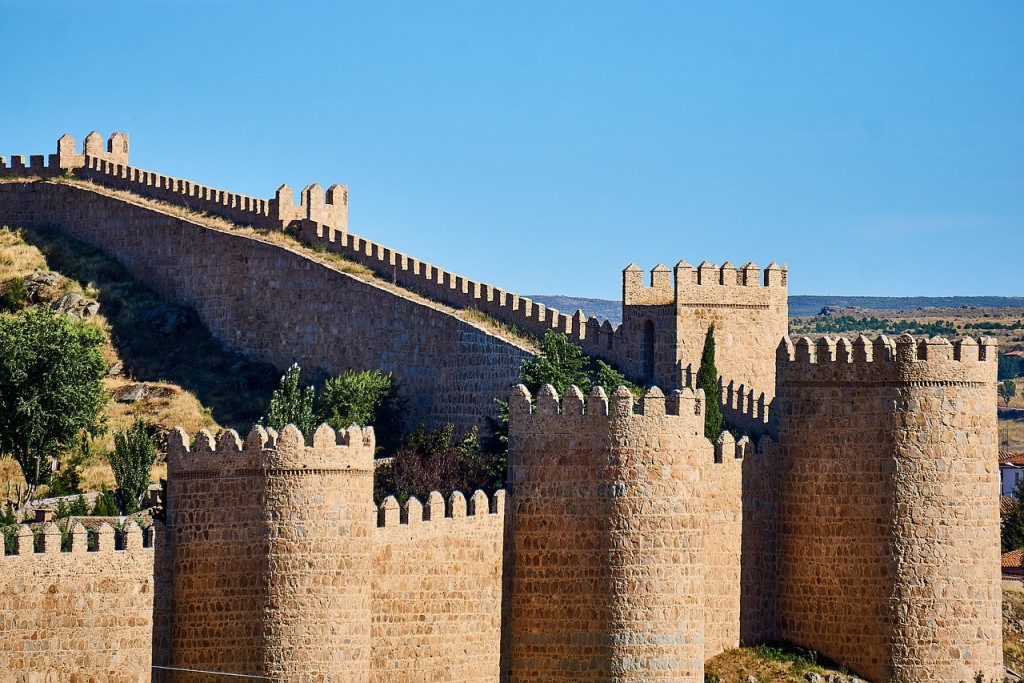
➤ Ávila: imposing walls and spirituality
Ávila surprises with its medieval wall, one of the best preserved in the world. Its historic centre conveys the sobriety of Castilian Gothic and the spiritual depth of Santa Teresa.
- Ávila Wall (Muralla de Ávila), a World Heritage icon.
- Cathedral-fortress integrated into the walled enclosure.
- Convent and museum of Santa Teresa.
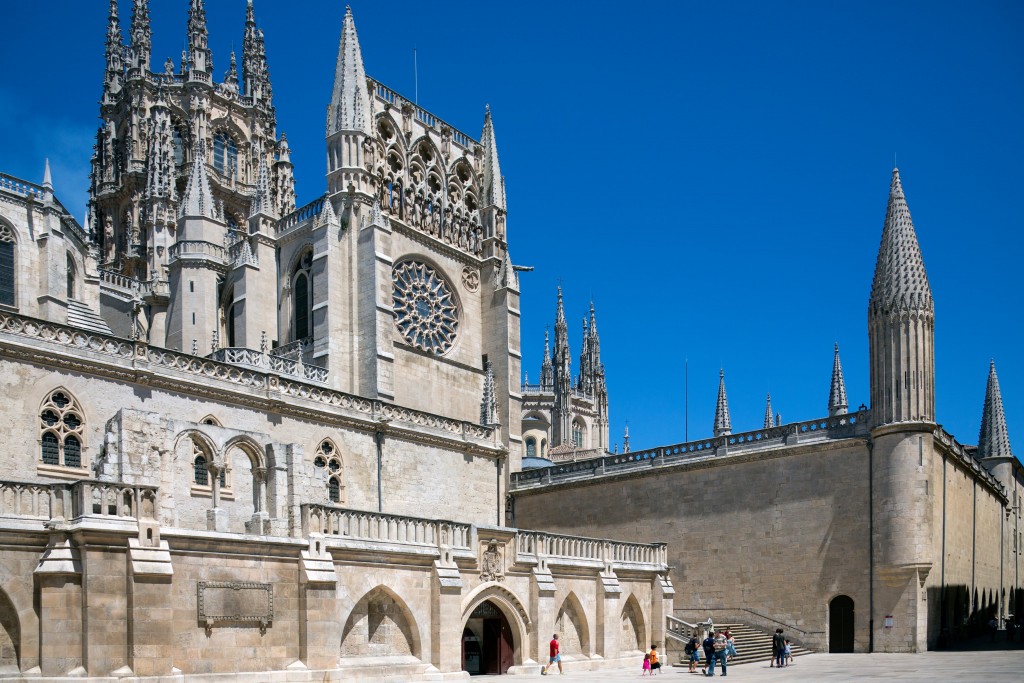
➤ Burgos: Gothic and Jacobean tradition
Burgos is one of the great monumental jewels of Spain. Its cathedral, of exceptional elegance, dominates a city marked by the history of El Cid and the Camino de Santiago.
- Burgos Cathedral, one of the most beautiful in Europe.
- Monastery of Las Huelgas.
- Museum of Human Evolution (Museo de la Evolución Humana) and the Atapuerca sites.
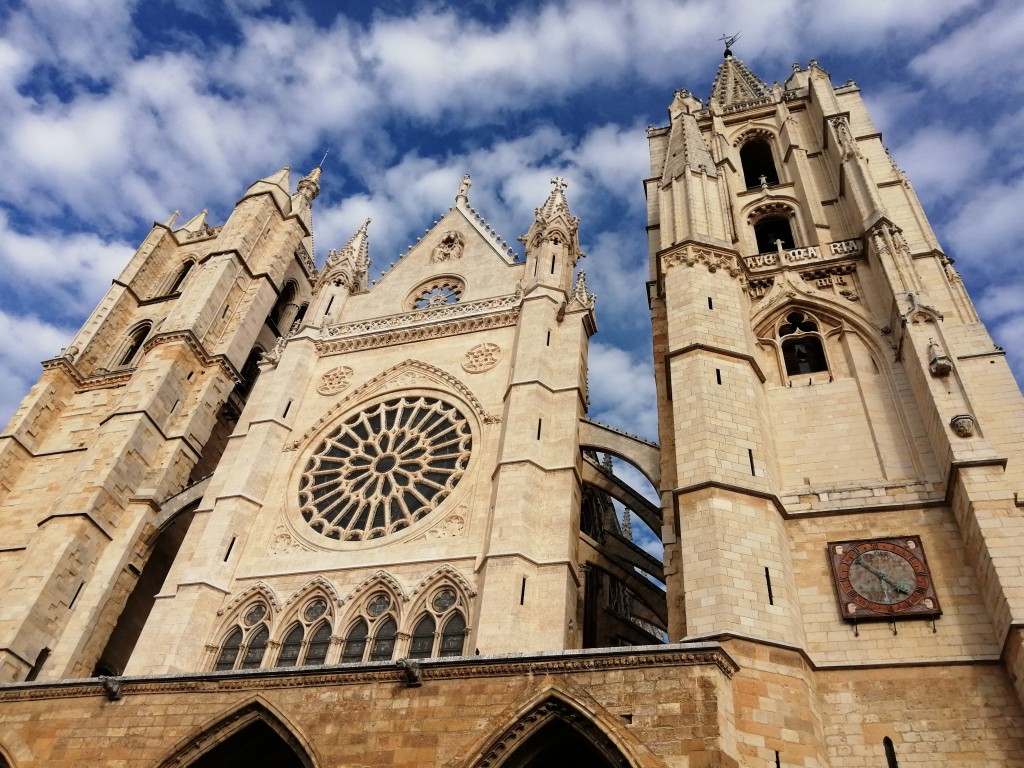
➤ León: light, spirituality, and art
León stands out for its stained-glass-filled cathedral, its legacy from the Kingdom of León, and its mix of medieval and Modernist architecture.
- Gothic Cathedral, a spectacle of light and colour.
- Basilica of San Isidoro and its Royal Pantheon.
- Casa Botines by Gaudí.
➤ Palencia: Romanesque and charming plateau
Palencia is one of the region's quietest and most authentic destinations. Its province houses one of the largest collections of rural Romanesque architecture in Europe.
- Palencia Cathedral, “the beautiful stranger”.
- Palencia Romanesque in the Mountain area and El Cerrato.
- Canal de Castilla (Castile Canal), an 18th-century engineering work.
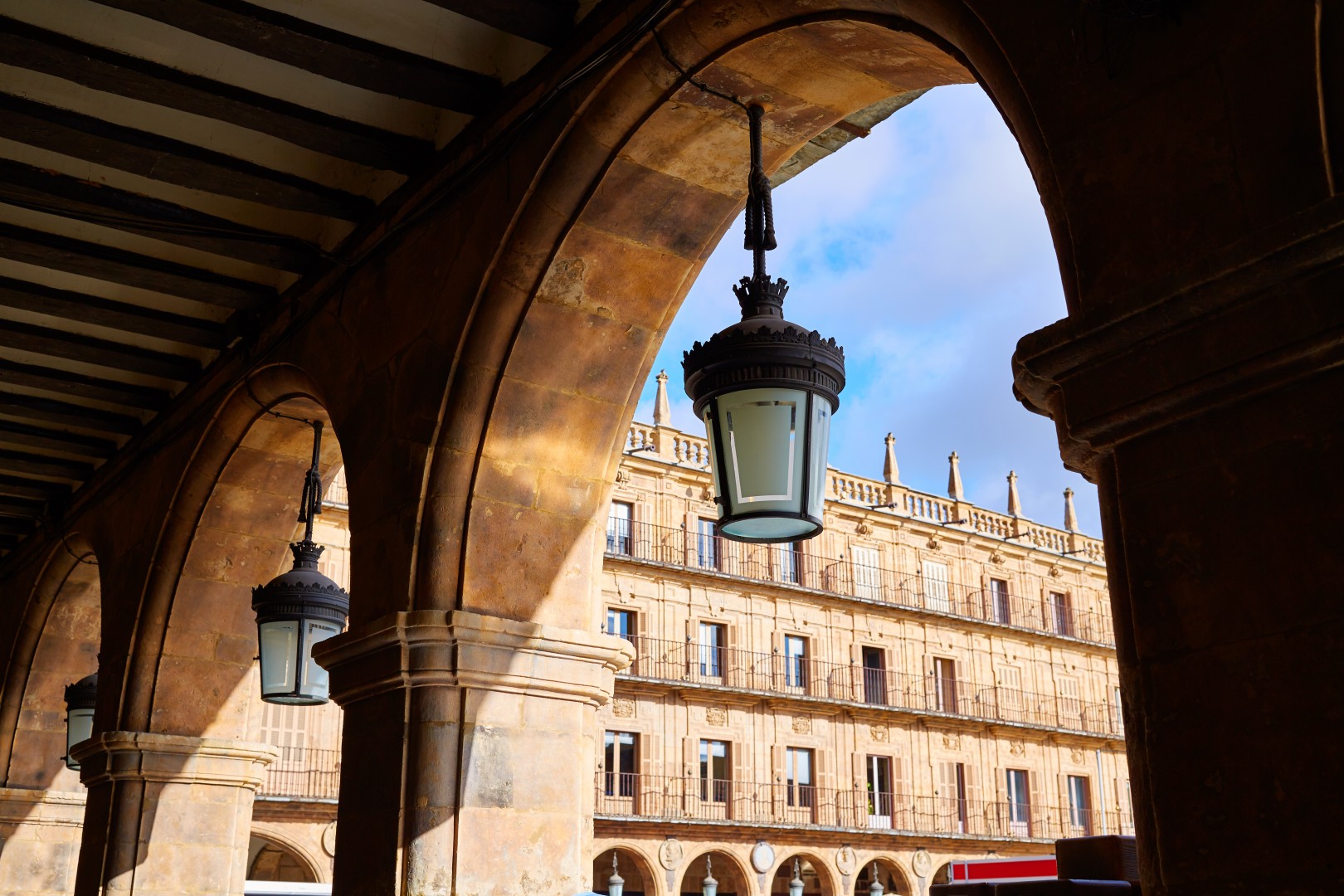
➤ Salamanca: the golden city
Salamanca is history, culture, and university life. Its golden sandstone illuminates squares, palaces, and cathedrals.
- University of Salamanca, one of the oldest in Europe.
- Plaza Mayor (Main Square), elegant and full of atmosphere.
- New and Old Cathedrals connected to each other.
➤ Segovia: a Castilian postcard
Segovia is famous for its Roman Aqueduct, its fairytale Alcázar, and its gastronomy.
- Aqueduct, a Roman masterpiece.
- Alcázar with views of the Eresma valley.
- Gothic Cathedral, the “Lady of the Cathedrals”.
➤ Soria: nature and poetry
Soria is a quiet, poetic, and natural province. Its landscapes inspired Machado, Bécquer, and Gerardo Diego.
- Monastery of San Juan de Duero and its unique cloister.
- Laguna Negra (Black Lagoon) and Picos de Urbión (Peaks of Urbión).
- Numancia, a symbol of historical resistance.
➤ Valladolid: historical and cultural capital
Valladolid combines art, history, and gastronomy. It was the capital of the kingdom and preserves important Renaissance buildings.
- National Sculpture Museum (Museo Nacional de Escultura).
- Plaza Mayor (Main Square), one of the first in Spain.
- Church of San Pablo and its impressive façade.
➤ Zamora: the capital of the Romanesque
Zamora is a medieval jewel with more than twenty Romanesque churches. A quiet, charming city with exceptional heritage.
- Zamora Cathedral and its Byzantine-style dome.
- Historic centre full of urban Romanesque architecture.
- Duero River and local gastronomy.
➤ Castile and León: a region that has everything
Castile and León is a monumental and diverse region, where each city offers a different type of experience:
- Ávila: spirituality and walls.
- Burgos: Gothic cathedral and Camino de Santiago.
- León: light and medieval art.
- Palencia: Romanesque and plateau.
- Salamanca: university and renaissance.
- Segovia: Rome, kings, and landscape.
- Soria: nature and poetry.
- Valladolid: museums and history.
- Zamora: Romanesque and Duero River.
A land that combines tradition, heritage, nature, and gastronomy like few others in Europe.